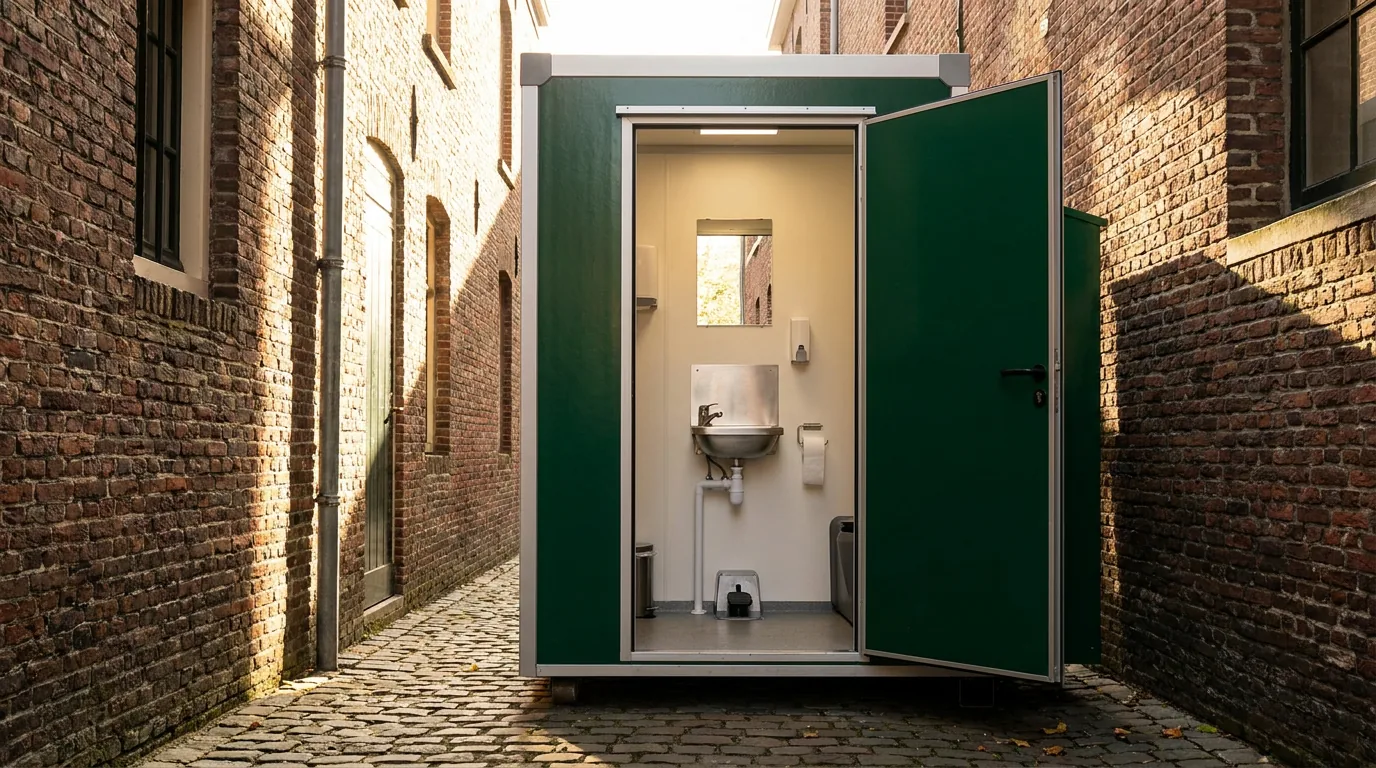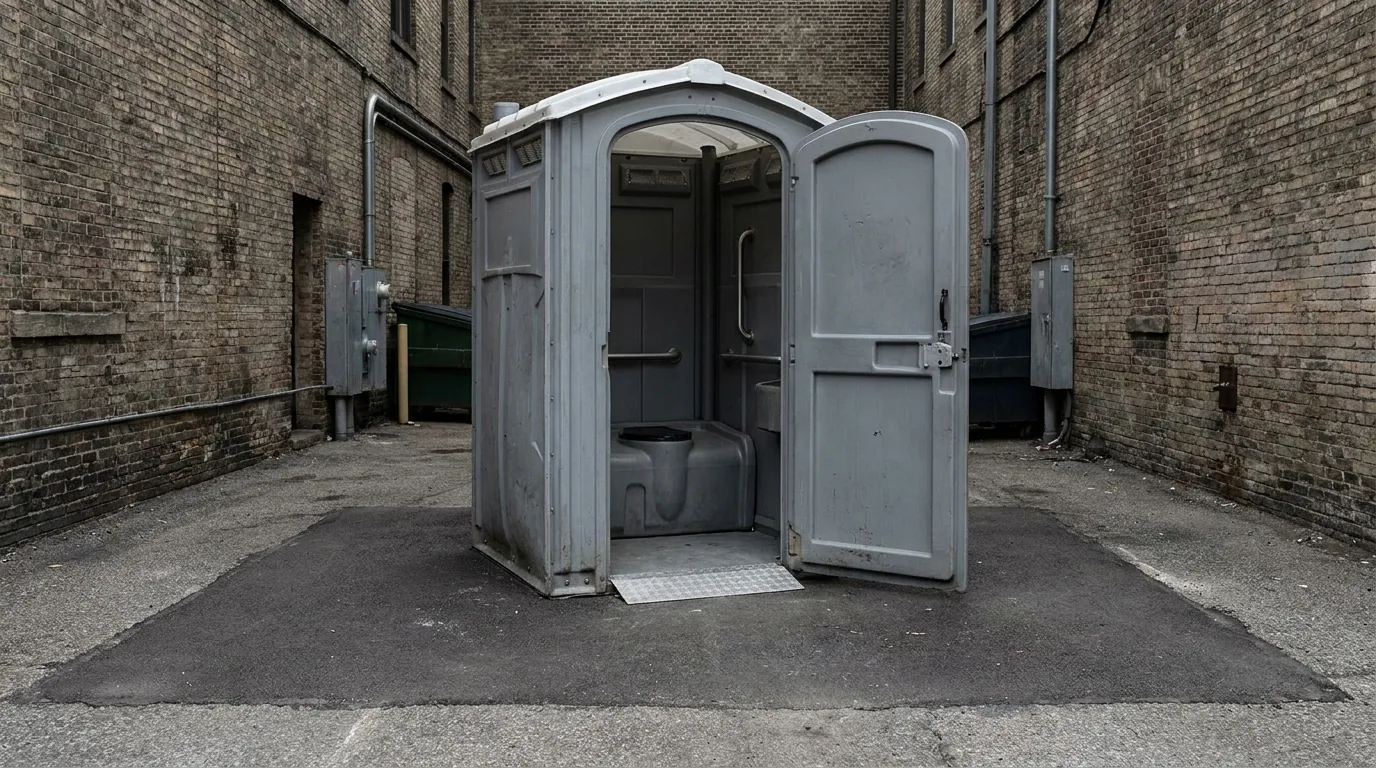
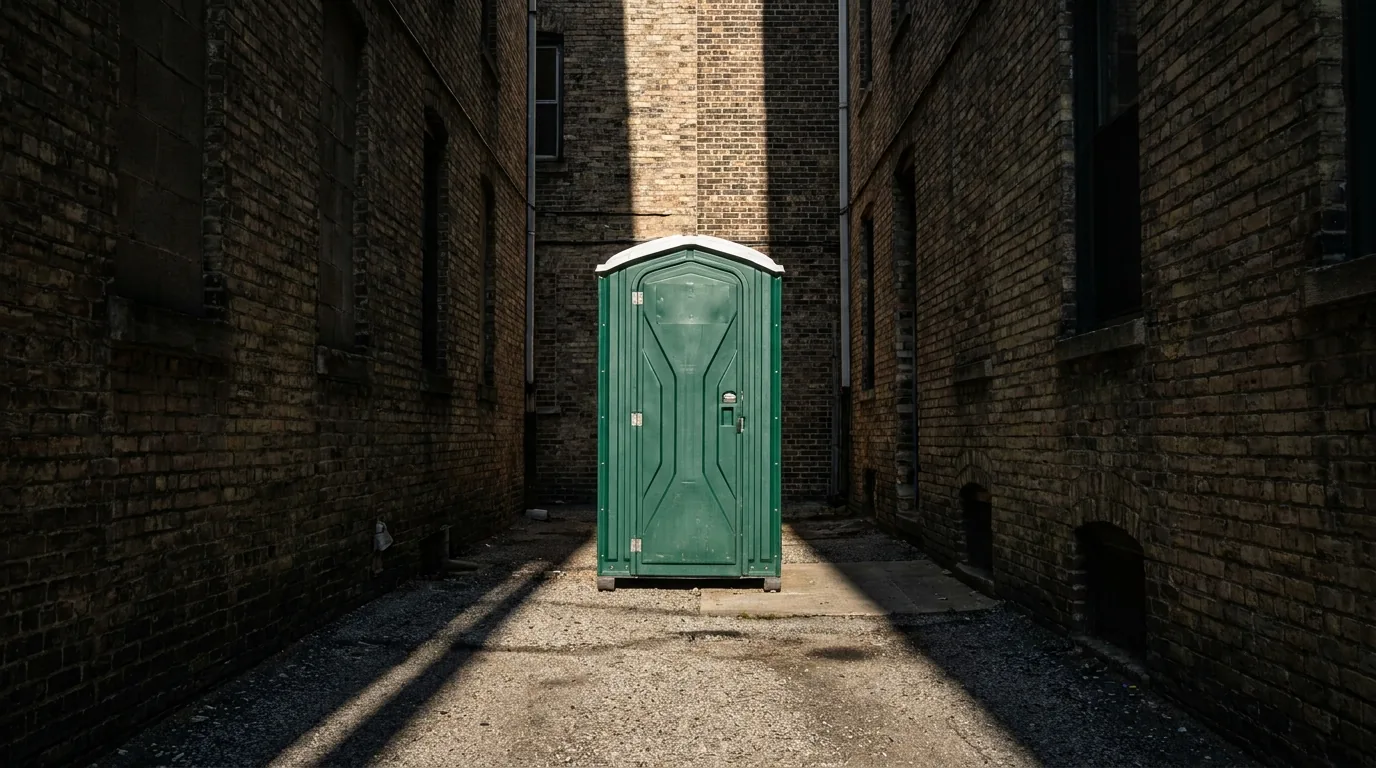
Standard porta potty
$125 to $250 a weekend
Columbus, OH
For a construction crew of 20 workers or fewer, OSHA wants at least one toilet on site. For an event, plan on one standard unit per 50 to 75 guests for a four hour block. Columbus Porta Pros builds every quote around your headcount, your hours and whether alcohol is served.
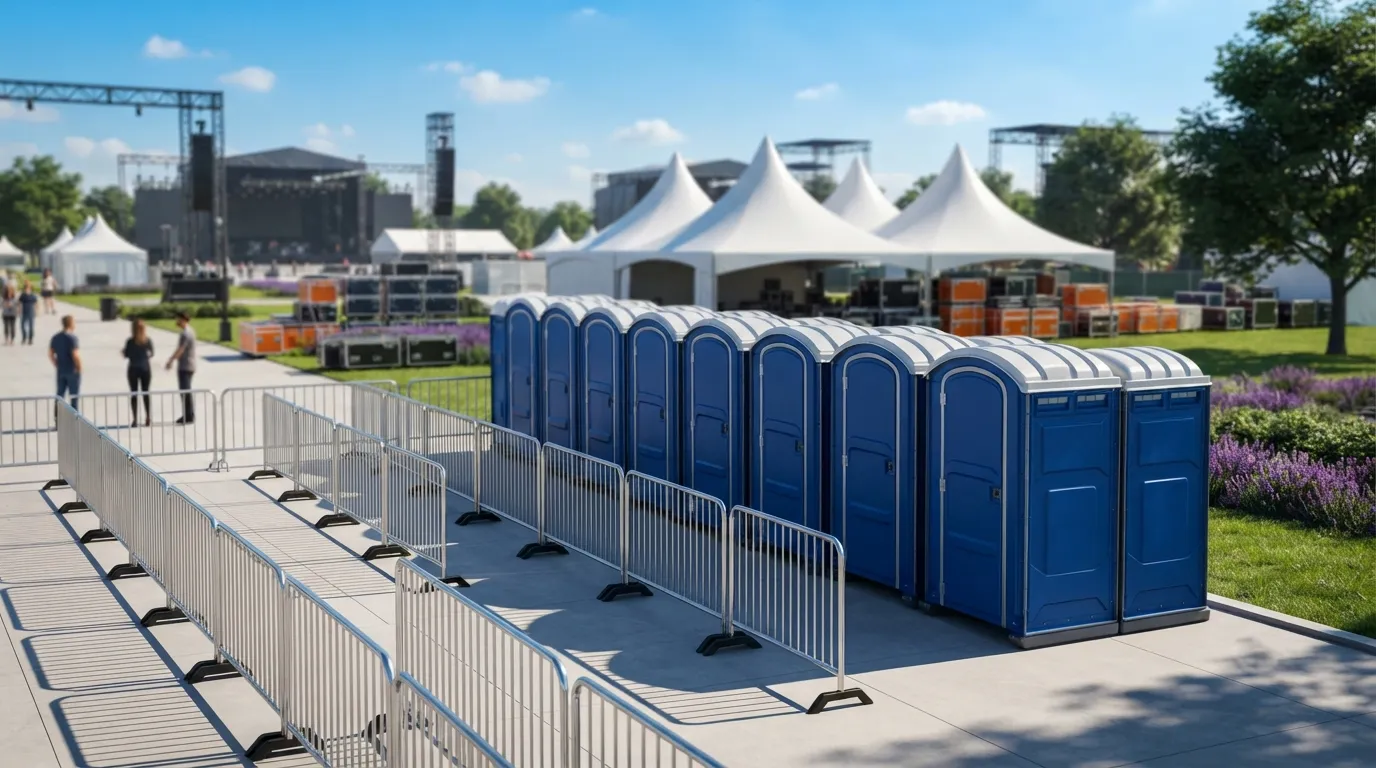
Start with OSHA 1926.51(c). It sets one toilet facility for 20 workers or fewer, then one toilet seat and one urinal per 40 workers once you cross 20, and one seat and one urinal per 50 workers at 200 or more. A 15 person framing crew on a Grandview Heights job, 5.0 miles west of downtown Columbus, needs exactly one unit. Push that crew to 45 people and you are into the second bracket, meaning two toilet seats and two urinals. Most contractors round up rather than split hairs on borderline counts, since a jammed unit costs more in lost time than a spare rental. Pair your toilet order with a look at standard porta potty rental options, and if the crew works with paint, coatings or solvents, remember that OSHA 1926.51(f)(1) requires washing facilities for that specific contaminant exposure, not general handwashing. Add a handwashing station rental alongside the toilets rather than treating it as optional. For a full breakdown of the bracket math, see OSHA portable toilet requirements.
| Headcount | Duration | Standard units | Notes |
|---|---|---|---|
| 50 | 4 hours | 2 | add 1 for alcohol |
| 100 | 4 hours | 3 | add 1-2 for alcohol |
| 250 | 6 hours | 6 | add 2 for alcohol |
| 500 | 8 hours | 10 | add 3-4 for alcohol |
These numbers assume a general festival or fair crowd, not a jobsite. Alcohol service pushes usage up because people drink more water and beer both. A multi-day event, like a three day fair, does not just multiply the daily number by three; servicing frequency has to increase too, since ANSI/PSAI Z4.3 sets one service visit per week for up to 10 users over a 40 hour week as the baseline interval, and a weekend festival blows past that fast. Bexley sits 6.2 miles southeast of Columbus and hosts smaller neighborhood events where 2 to 3 units usually cover a 4 hour block. For weddings, check wedding restroom rental, and for larger gatherings see festival restroom rental or concert restroom rental. A standard unit rents for around 200 to 400 dollars for an event booking, and a full guide to picking the right count lives at how many porta potties do I need style planning tools inside event restroom rental.
Alcohol is the biggest multiplier: add roughly 10 to 20 percent more units when beer or wine is served, since people cycle through faster. Multi-day events need more frequent servicing, not just more units, because tanks fill on the same schedule regardless of how many days the event runs. Hot weather adds bathroom trips too, and Columbus averages 15.3 days a year at or above 90 F, so a summer festival needs a slightly heavier count than the same headcount in October. Winter events face the opposite problem: fewer trips, but frozen tanks are a real risk, and Columbus sees an average of 97.7 days a year with a minimum at or below 32 F. For cold weather planning, read porta potty in winter. If your crowd includes anyone using a wheelchair or mobility device, ADA Standards section 213.2 requires that at least 5 percent of clustered single-user units be accessible, with never fewer than one. Details on that unit are at ADA accessible porta potty and general compliance at ADA restroom requirements.
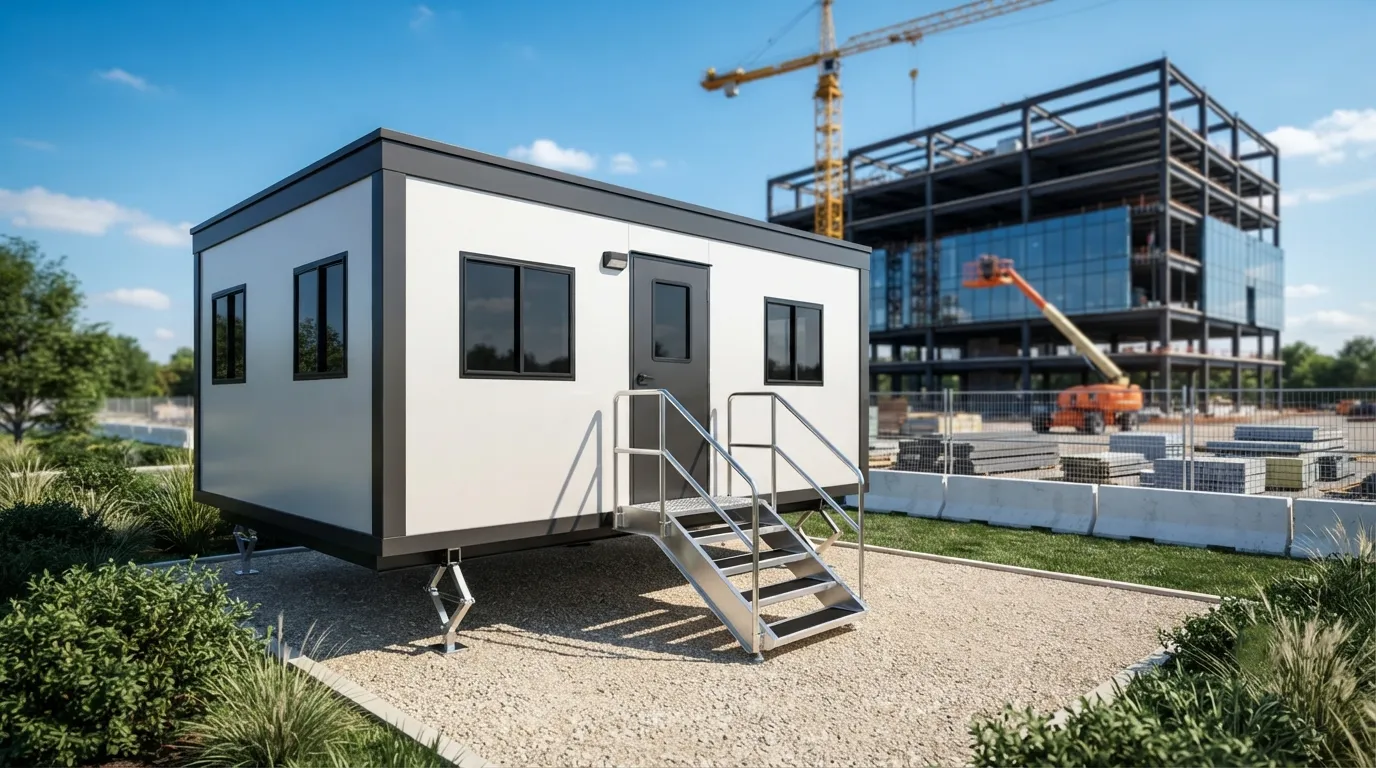
A 30 yard dumpster typically holds somewhere in the 3 to 5 ton range depending on material density, and it measures out to roughly 30 cubic yards of volume, which is the number the size is named for; that is how many tons a 30 yard dumpster can hold before you hit the weight cap on heavier loads. Debris weight varies a lot: shingles and concrete run heavy, while framing lumber and drywall run lighter for the same volume. If you are running a jobsite that needs both toilets and a dumpster, coordinate delivery timing since a roll-off delivery needs about 60 feet of straight clearance behind the truck. Full specs live at 30 yard dumpster rental, and pricing sits at dumpster rental cost. A 20 yard dumpster runs lighter, generally in the 2 to 3 ton range, which answers how many tons a 20 yard dumpster holds, and details are at 20 yard dumpster rental.
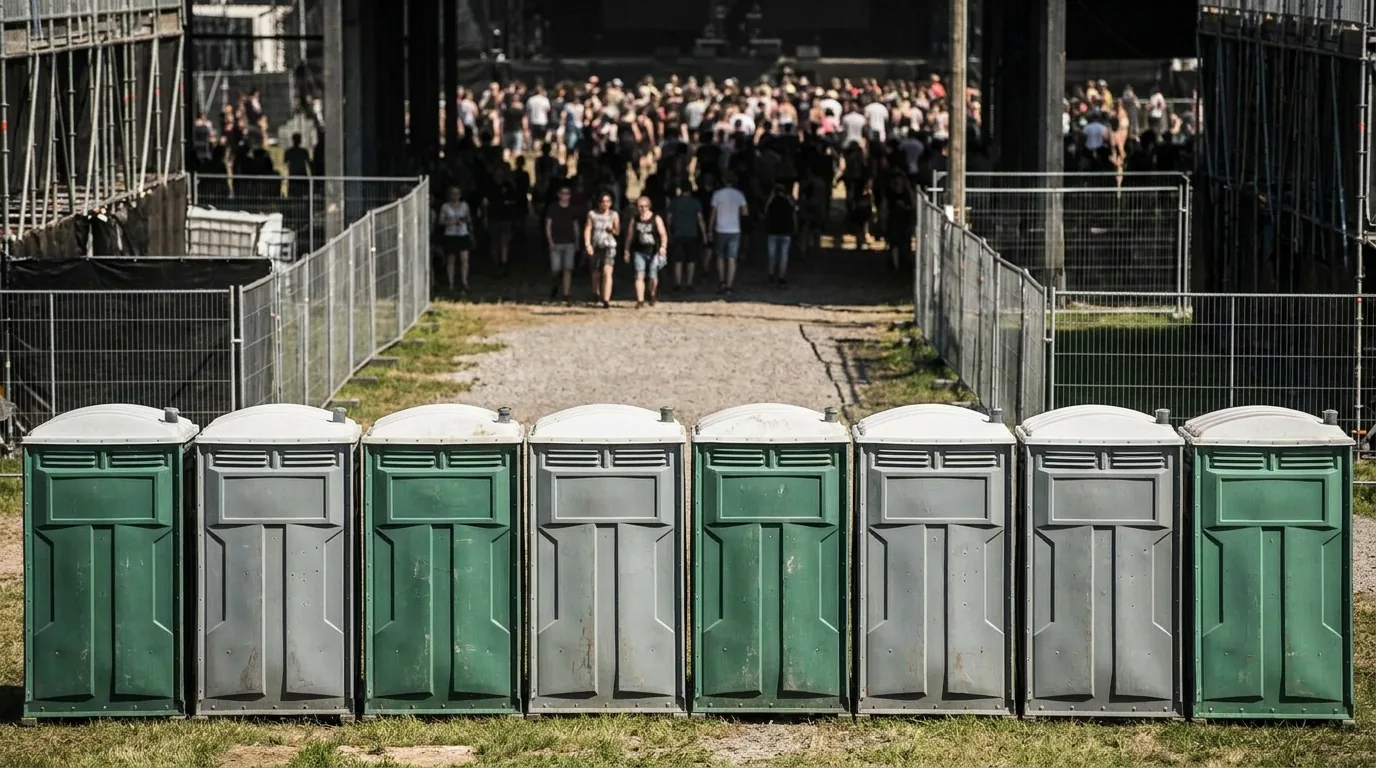
A cubic yard equals 27 cubic feet, which answers how many cubic feet are in a 10 yard dumpster: about 270. Run the same math for how many cubic feet are in a 20 yard dumpster and you get about 540, and a 40 yard dumpster holds about 1,080 cubic feet. In physical footprint, that answers how many feet a 10 yard dumpster runs: usually around 14 feet long, and a 20 yard runs closer to 22 feet long, though exact dimensions vary by manufacturer. A 40 yard dumpster typically holds 4 to 6 tons of lighter debris like lumber or cardboard, well above what a 20 yard box can carry. For side by side dimensions, see dumpster sizes and dimensions, and for weight caps by size, dumpster weight limits. Whitehall, 8.6 miles east of downtown Columbus, is a common delivery point for home renovation crews pairing a dumpster with a home renovation porta potty for a weekend teardown.
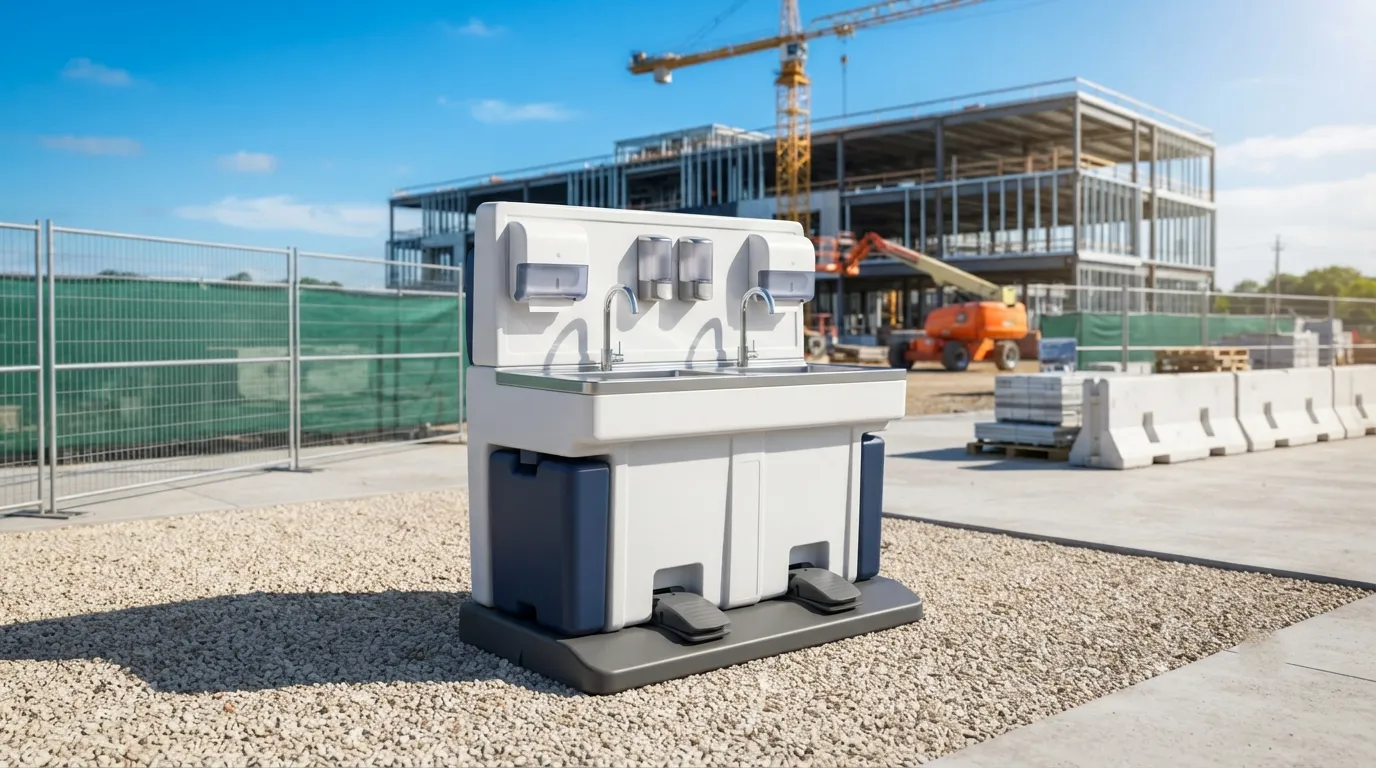
If a dumpster or storage container sits in the public right-of-way anywhere in Columbus, Chapter 903 of the Columbus City Code requires an occupancy permit, issued through the Department of Public Service Right-of-Way Permit Section at the Michael B. Coleman Government Center, 111 N. Front St. Occupancy permits for dumpsters or containers are generally limited to a seven day period unless a longer term gets approved in advance, and placement over a parking meter space adds the meter fee on top. That chapter names dumpsters, PODs and crane lifts explicitly. Whether a portable toilet specifically falls under Chapter 903 or a different city process is not confirmed in the documents reviewed, so if your unit needs to sit in the street or right-of-way rather than on private property, that placement needs confirming directly with the city before delivery day. Chapter 906 covers separate right-of-way rules for non-construction uses like moving trucks. More on staying compliant is at porta potty permit requirements and dumpster permit requirements.
Placement drives usage as much as headcount does. Units need stable, firm, slip resistant ground under ADA Standards section 302.1, and if you are providing an accessible unit, the approach route needs a 36 inch clear width per ADA Standards section 403.5.1 and a door opening of at least 32 inches per ADA Standards section 404.2.3. Upper Arlington, 6.9 miles northwest of Columbus, has plenty of narrow residential lots where a 44 by 48 inch standard unit footprint matters more than the headcount math. Keep units within a reasonable walk of the work zone or crowd, since long walks discourage use and units end up clustered near entrances instead, defeating the point of spreading them out. A full walkthrough is at porta potty placement guide, and for general renting logistics start at portable toilet rental or the main Porta Potty Rental in Columbus, OH hub. Gahanna sits 10.1 miles northeast and often needs units staged along fairground perimeters rather than clustered at one gate.
A 35 person roofing crew working a single Columbus address for six weeks needs two standard units under the OSHA bracket, since 35 falls in the 20-to-40 range requiring a second seat and urinal. Add a holding tank rental if the site has no sewer access nearby. A 300 guest outdoor wedding running five hours with a full bar should plan on 7 to 8 standard units plus one ADA unit, rounding up from the 250 guest festival benchmark and adding for alcohol. A Grove City fair, 13.6 miles southwest of Columbus, running Friday through Sunday with an expected 2,000 daily visitors would need units in the 25 to 35 range with servicing scheduled more than once across the weekend, well beyond the standard weekly interval. Request exact counts for your date through request a quote or browse county fair restrooms for fairground specific guidance.
Plan on 2 to 3 standard units per 100 guests for a four hour event without alcohol. Add one more unit if beer or wine is served, since drink service increases restroom trips noticeably over a short window.
A 40 yard dumpster generally holds 4 to 6 tons of lighter material like framing lumber, drywall or cardboard. Heavier debris like shingles or concrete will hit weight limits well before the box fills up.
A 20 yard dumpster is typically around 22 feet long, though exact length varies by manufacturer. Check dumpster sizes and dimensions for the specific unit being delivered to your site.
Yes, but the fix is servicing frequency, not just unit count. ANSI/PSAI Z4.3 sets a weekly service baseline for light use, so a three day festival needs a mid-event pump-out scheduled in advance.
Under OSHA 1926.51(c), 50 workers falls in the 20-to-40 bracket extension, requiring one toilet seat and one urinal per 40 workers. That means two seats and two urinals for a 50 person crew.
Yes. ADA Standards section 213.2 requires at least 5 percent of clustered units be accessible, with a minimum of one regardless of total count. A 40 guest gathering with 2 standard units still needs one ADA unit.
What we rent
Typical Columbus ranges, not a quote. Delivery is $50 to $150 and a weekly service visit $30 to $60. See the full cost breakdown.
$125 to $250 a weekend
$200 to $350 a weekend
$199 to $300 a weekend
Quoted by stall count
The rest of the yard
We deliver across Franklin County and the surrounding metro:
Next step
Tell us the address, the dates and the headcount. We size the order and confirm the route.