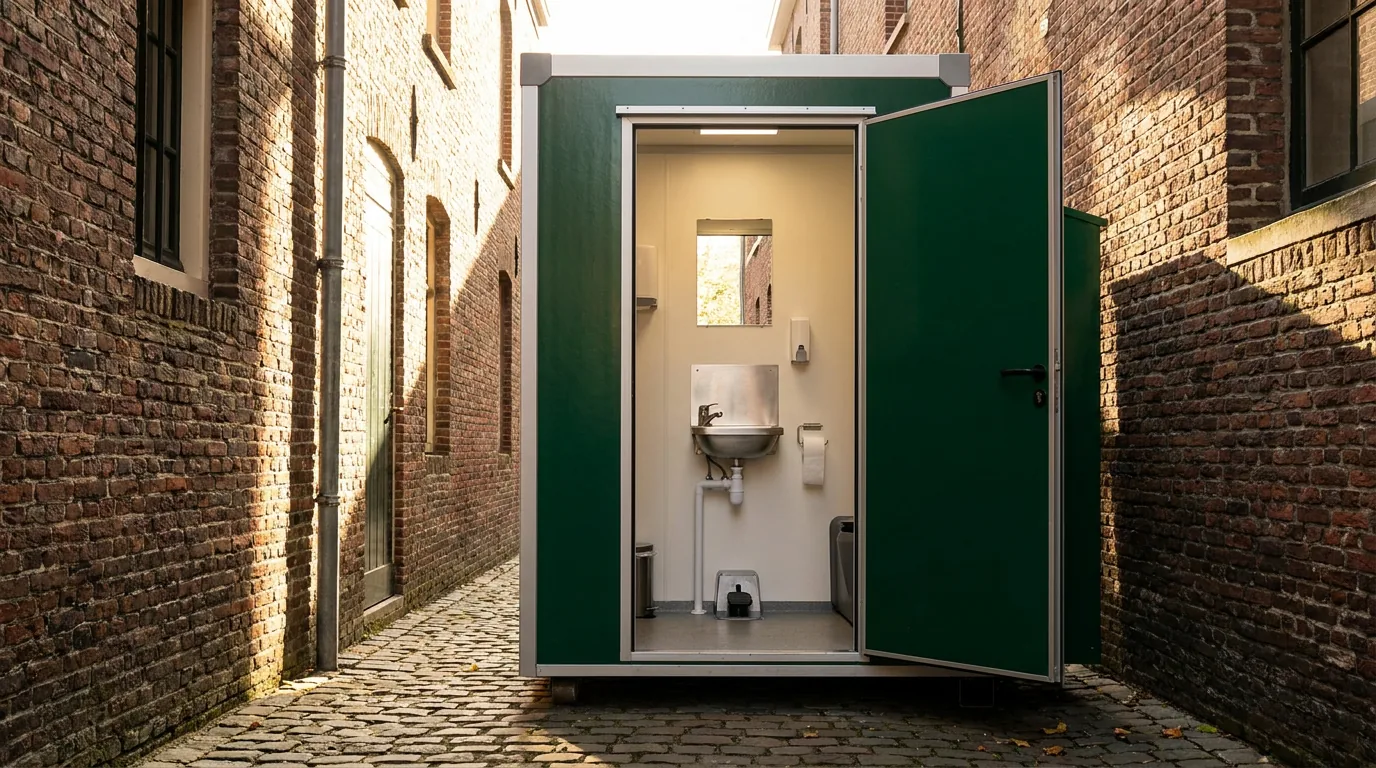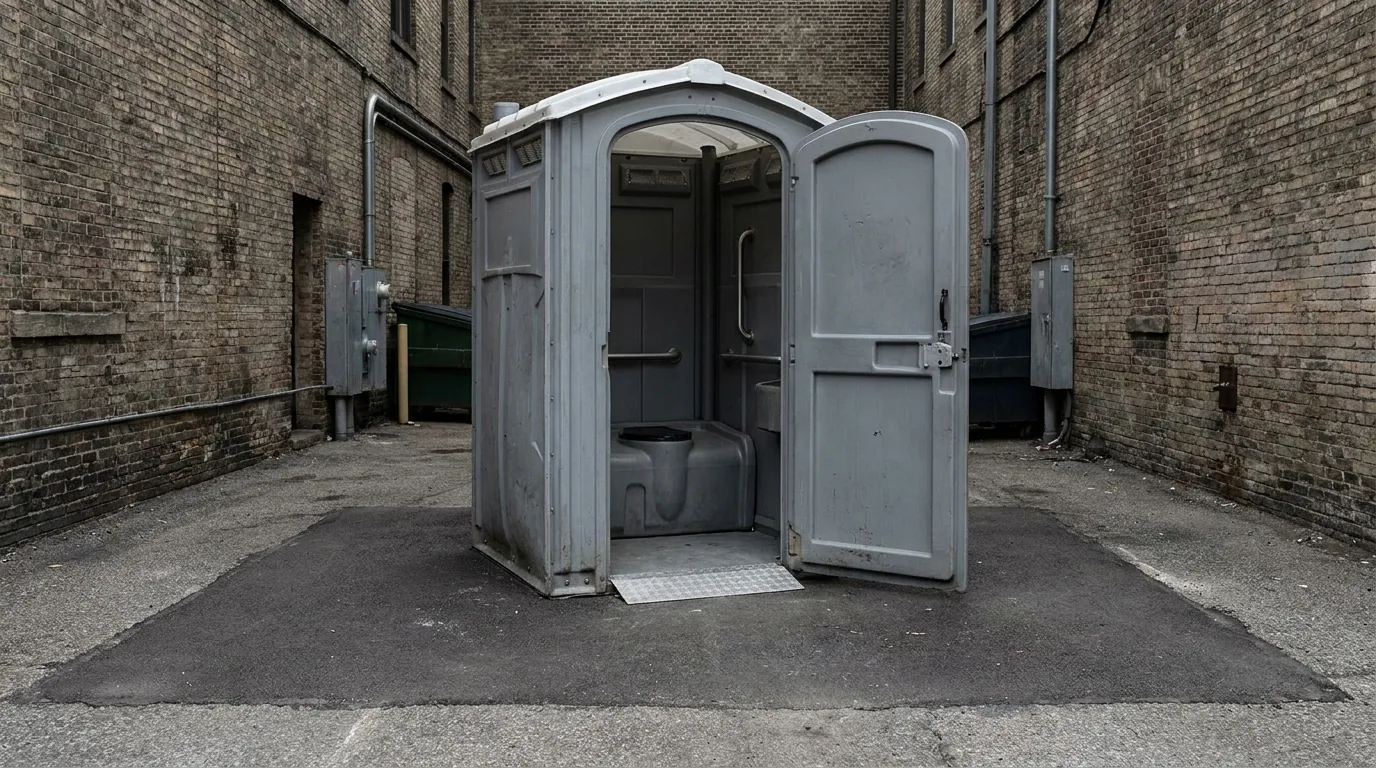
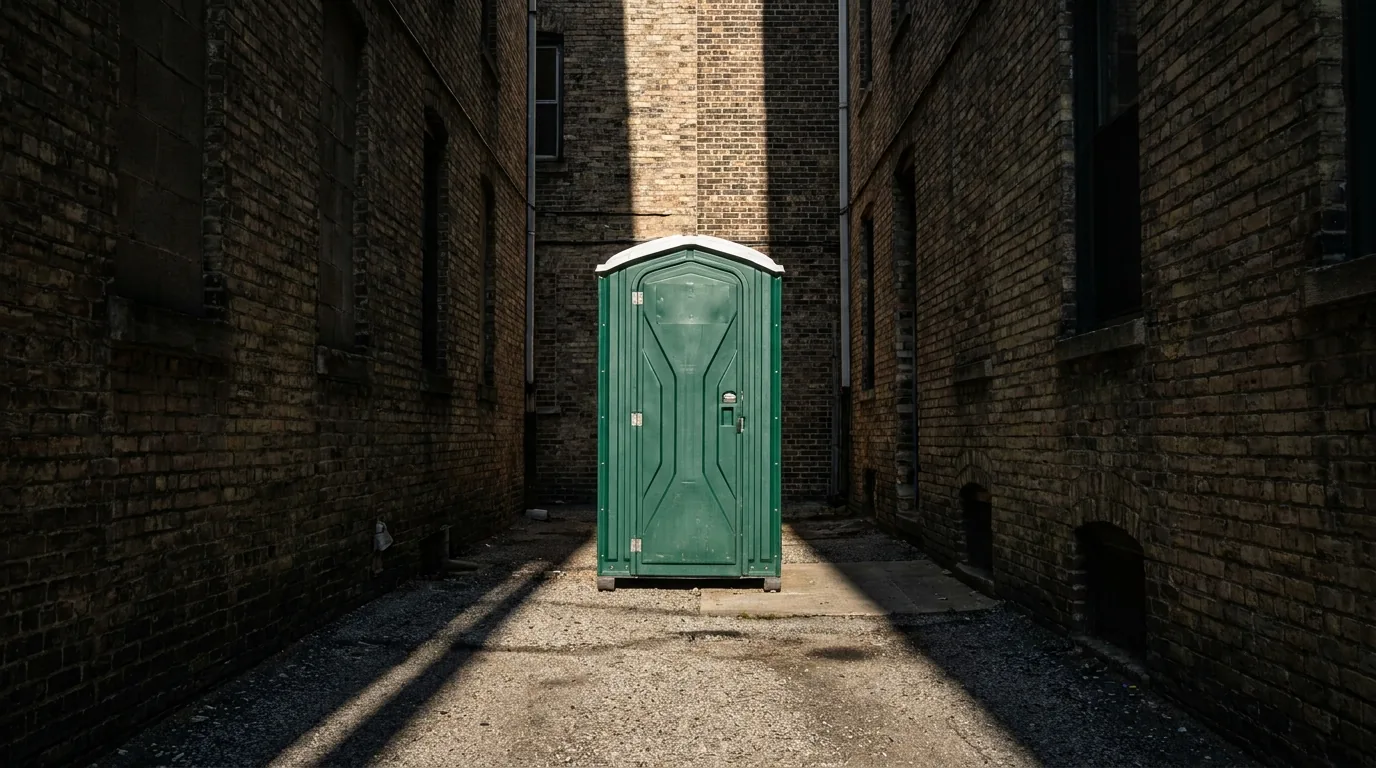
Standard porta potty
$125 to $250 a weekend
Columbus, OH
Most residential septic tanks need pumping every 3 to 5 years, depending on tank size and household size. A typical 1,000 gallon tank serving a family of four falls on that schedule. Columbus properties on well and septic, especially in the outer townships, should track their last pump date and not guess.

The 3 to 5 year window is a range, not a fixed date on your calendar. A smaller tank with a bigger household gets pumped closer to year three. A larger tank with two people in the house might stretch toward year five. If you are unsure which end applies to your Columbus property, a septic pumping service can measure sludge and scum layers and tell you where you actually stand instead of where a rule of thumb puts you. Homes further out, like those near Delaware, 24.7 miles north of Columbus, or Pickerington, 18.7 miles southeast, tend to run private septic systems more often than properties inside the city core, so this question comes up a lot in those areas. Waiting too long invites backups, slow drains and, eventually, a failed leach field, which costs far more to fix than a pump-out ever does. If you notice septic tank warning signs between scheduled visits, do not wait for the calendar. For current septic tank pumping cost in Columbus, expect a service call, not a guess over the phone.
Tank size and household size drive the schedule more than anything else. A 1,000 gallon tank built for a family of four fills differently than the same tank serving six people, and that gap changes your pumping frequency directly. Garbage disposal use matters too. It adds solids to the tank faster than a household without one. Water usage patterns count as well: laundry, long showers, and a home office with extra bathroom trips all push more volume through the system. If your Columbus home runs a business out of it, or hosts events, look at septic pumping service on a shorter cycle than a typical single-family rotation. Commercial kitchens on septic have a separate concern entirely: a grease interceptor is pumped once fats, oils, grease and solids reach 25 percent of the liquid depth, which is a different trigger than the 3 to 5 year residential window. If that applies to your property, see grease trap pumping rather than trying to fold it into a standard residential schedule.
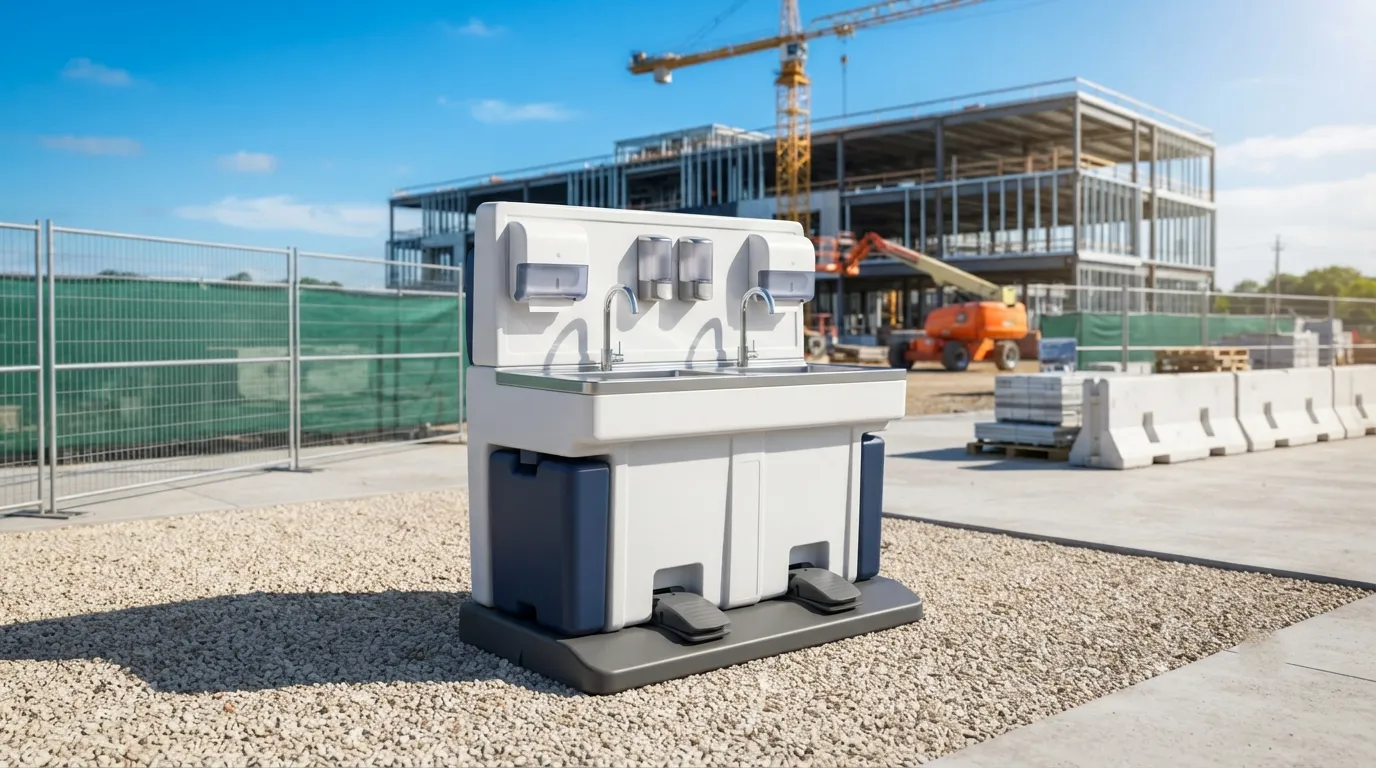
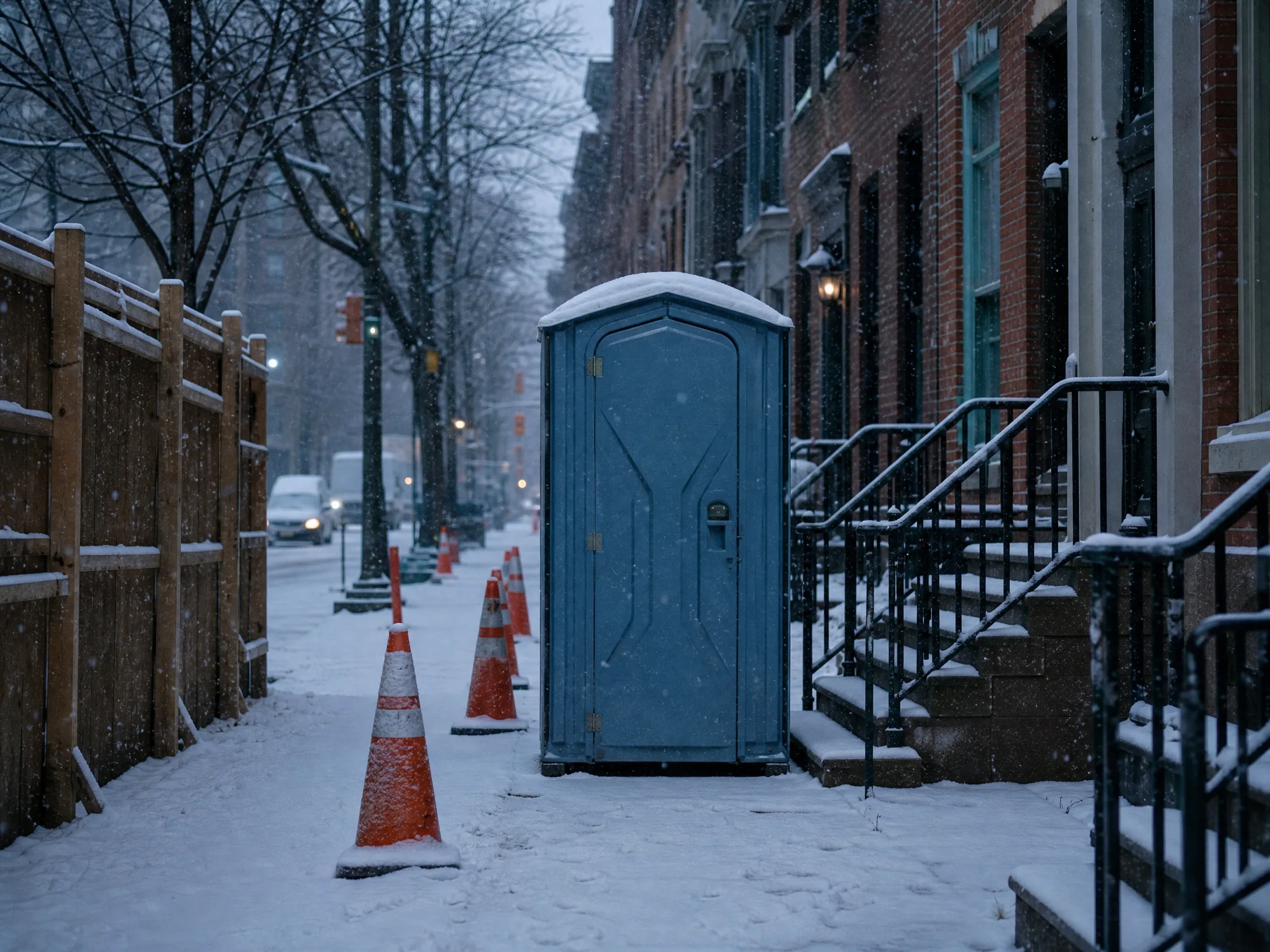
Yes, when a septic system is already near capacity or the property will see a temporary surge in use. A home addition, a backyard wedding, or a multi-week renovation project all add people and water demand that a residential tank was never sized for. Rather than push pumping frequency into a shorter cycle, many Columbus households bring in a portable toilet rental or a standard porta potty rental for the duration of the event or project. For a wedding or backyard gathering, an event restroom rental or a wedding restroom rental keeps guest traffic off the home system entirely. Contractors doing additions or major remodels often add a home renovation porta potty to keep crew use separate from the household septic tank during the job. On active construction sites, worker sanitation is governed by OSHA 1926.51(c), which sets toilet counts by crew size, a separate standard from anything tied to your home's septic capacity. Renting a unit for a defined stretch also means you are not accelerating the wear on a tank that is already due, or overdue, for its next pump.
Septage haulers in Ohio operate under a registration system tied to the local health district where the work happens, not a single statewide office. Ohio Revised Code Chapter 3718 and Ohio Administrative Code Rule 3701-29-03 require septage haulers to register separately in each health district they work in, and any land application site has to be inspected and permitted by that district before use, with the permit valid for one year. Because Columbus spans Franklin, Delaware and Fairfield counties, the specific health district governing your pump-out depends on where the property sits. A licensed septic pumping service handles that registration on your behalf, so it is not something a homeowner needs to track. If your tank is showing signs of failure rather than routine fullness, see septic tank warning signs before scheduling, and if the situation is urgent, emergency septic service is the faster path than a standard appointment.

Slow drains, gurgling pipes, standing water near the drain field, or sewage odor indoors are common signs. These often show up before a tank is technically full, which is why the 3 to 5 year window exists. Check septic tank warning signs if you notice any of these in your Columbus home.
Yes. A disposal adds solids to the tank faster than kitchen scraps going in the trash, which shortens the interval between pump-outs. Households with heavy disposal use often land closer to the 3 year end of the range rather than the 5 year end.
For a temporary event or renovation, yes. A portable toilet rental or holding tank rental diverts extra use away from your home system during a short-term surge, which can delay the need for an early pump.
It can be, if it is already backing up into the house or pooling in the yard. That situation calls for emergency septic service rather than a scheduled appointment. A tank simply due on the 3 to 5 year timeline is not an emergency yet.
Pumping removes liquid and settled solids from the tank. Cleaning can include additional steps like inspecting baffles or checking the drain field. Most residential service calls in Columbus cover both under one visit; ask your provider what is included before scheduling.
What we rent
Typical Columbus ranges, not a quote. Delivery is $50 to $150 and a weekly service visit $30 to $60. See the full cost breakdown.
$125 to $250 a weekend
$200 to $350 a weekend
$199 to $300 a weekend
Quoted by stall count
The rest of the yard
We deliver across Franklin County and the surrounding metro:
Next step
Tell us the address, the dates and the headcount. We size the order and confirm the route.