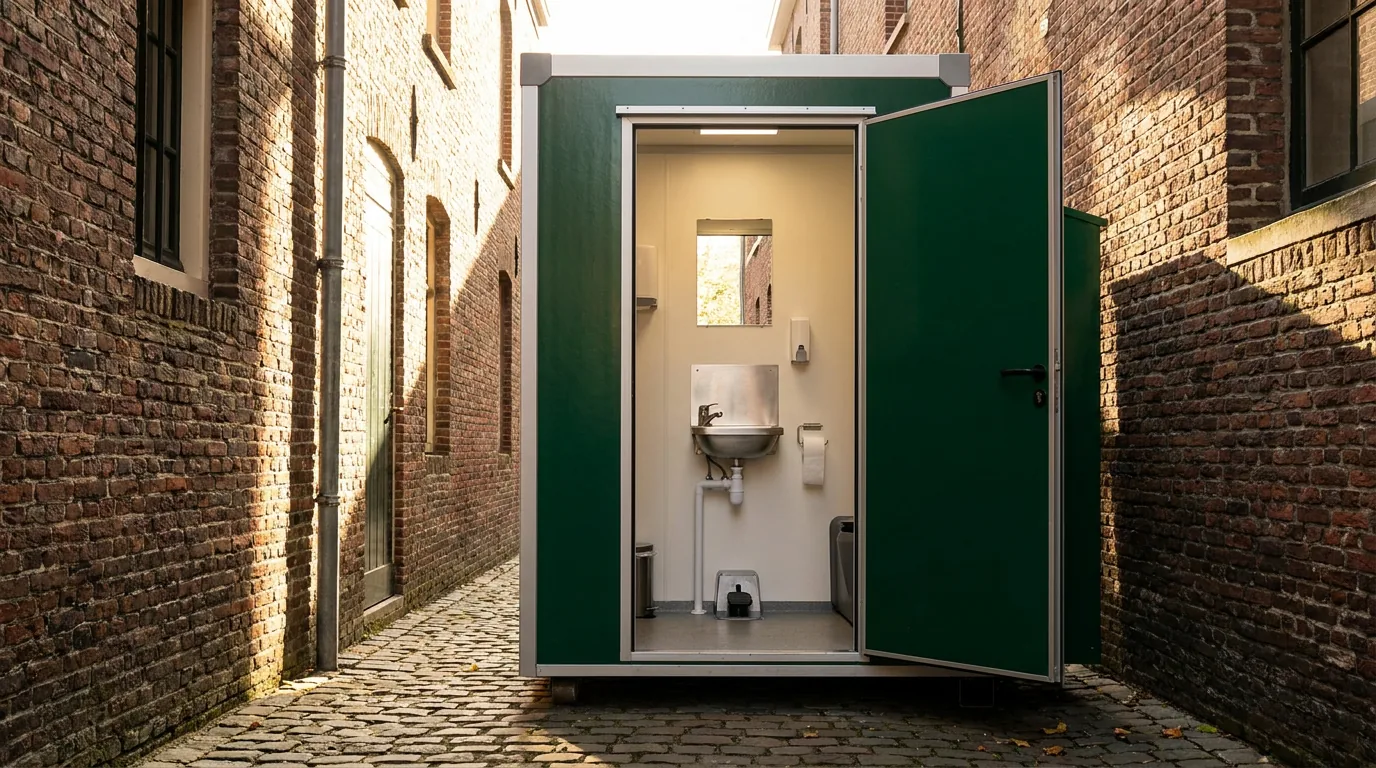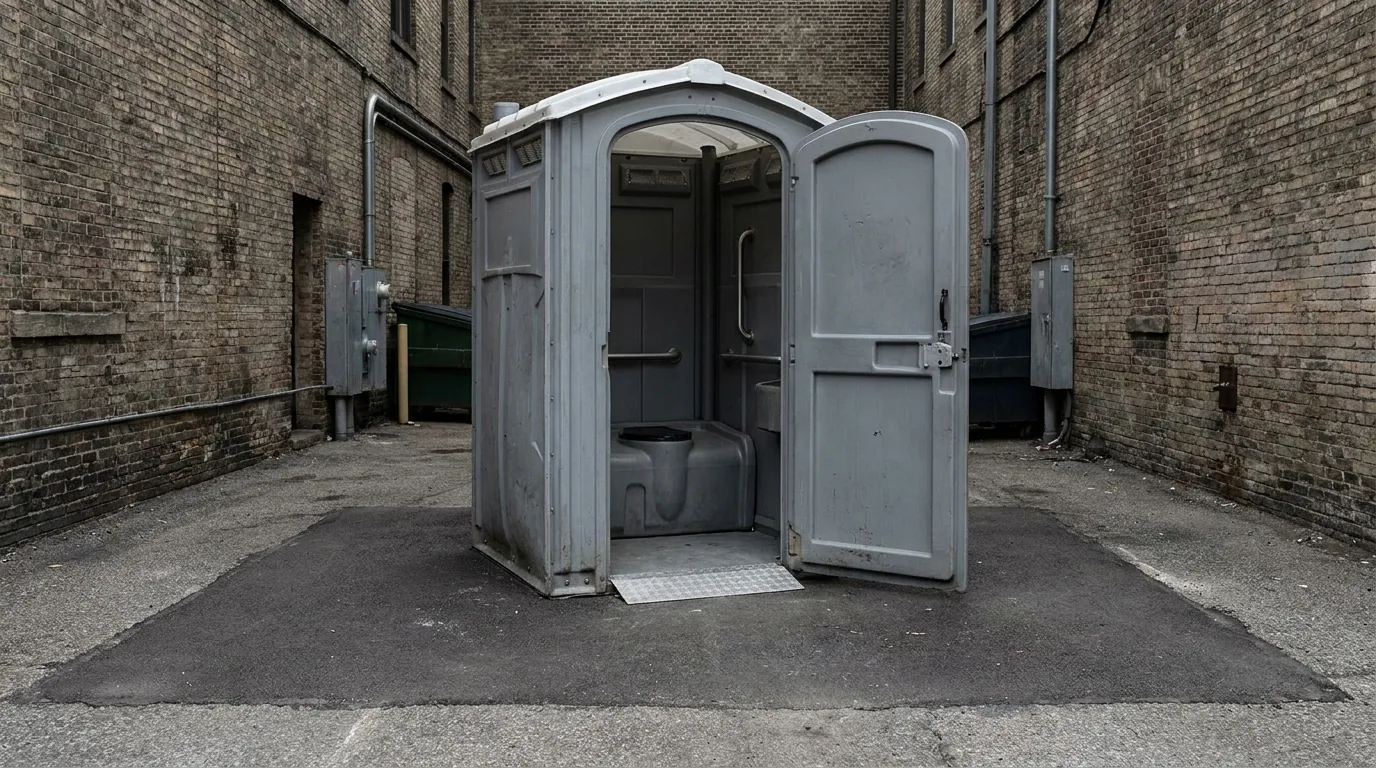
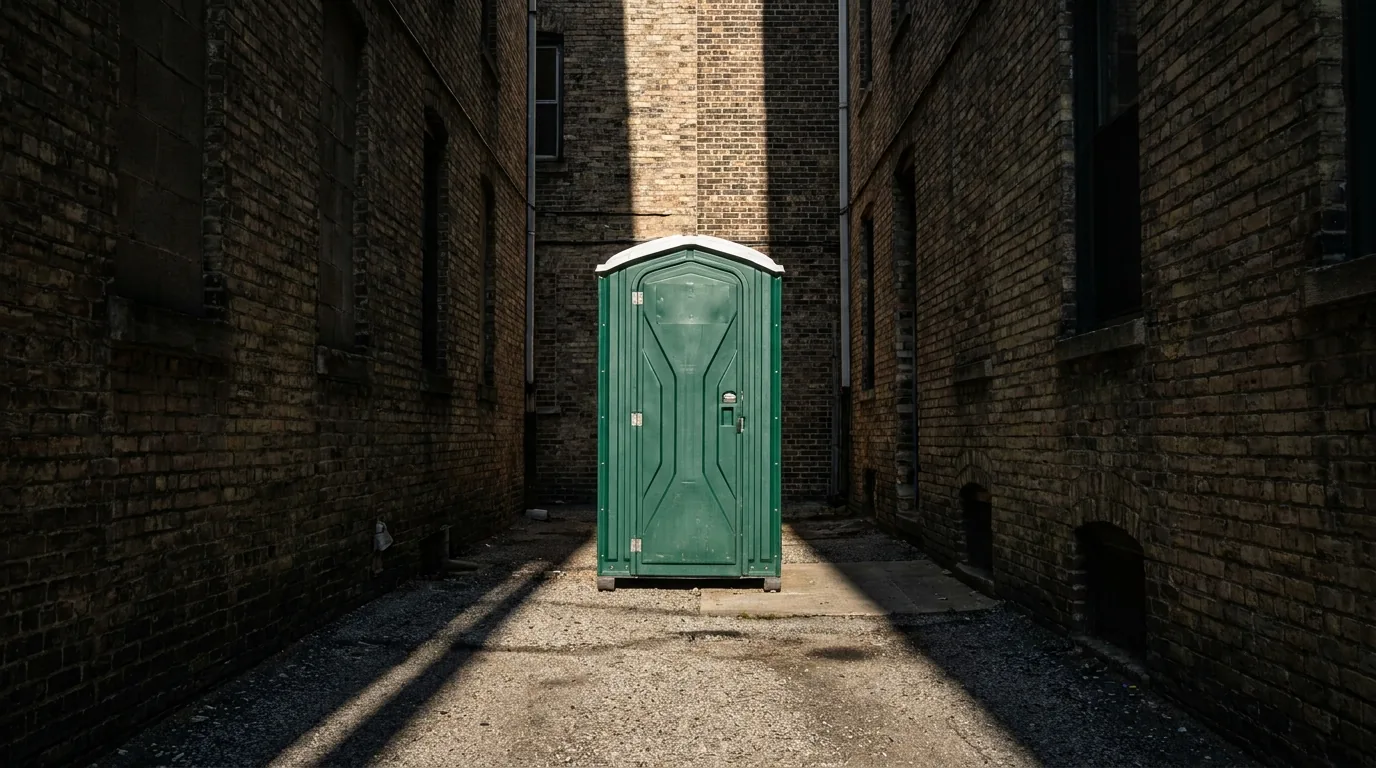
Standard porta potty
$125 to $250 a weekend
Columbus, OH
A Columbus marathon or 5K needs restrooms staged at the start line, along the course, and at the finish festival, with counts scaled to runner volume. Columbus Porta Pros builds race sanitation plans around a baseline of one unit per 20 to 40 participants at peak wave times, then adjusts by course length and weather. Most road races need units delivered the night before.
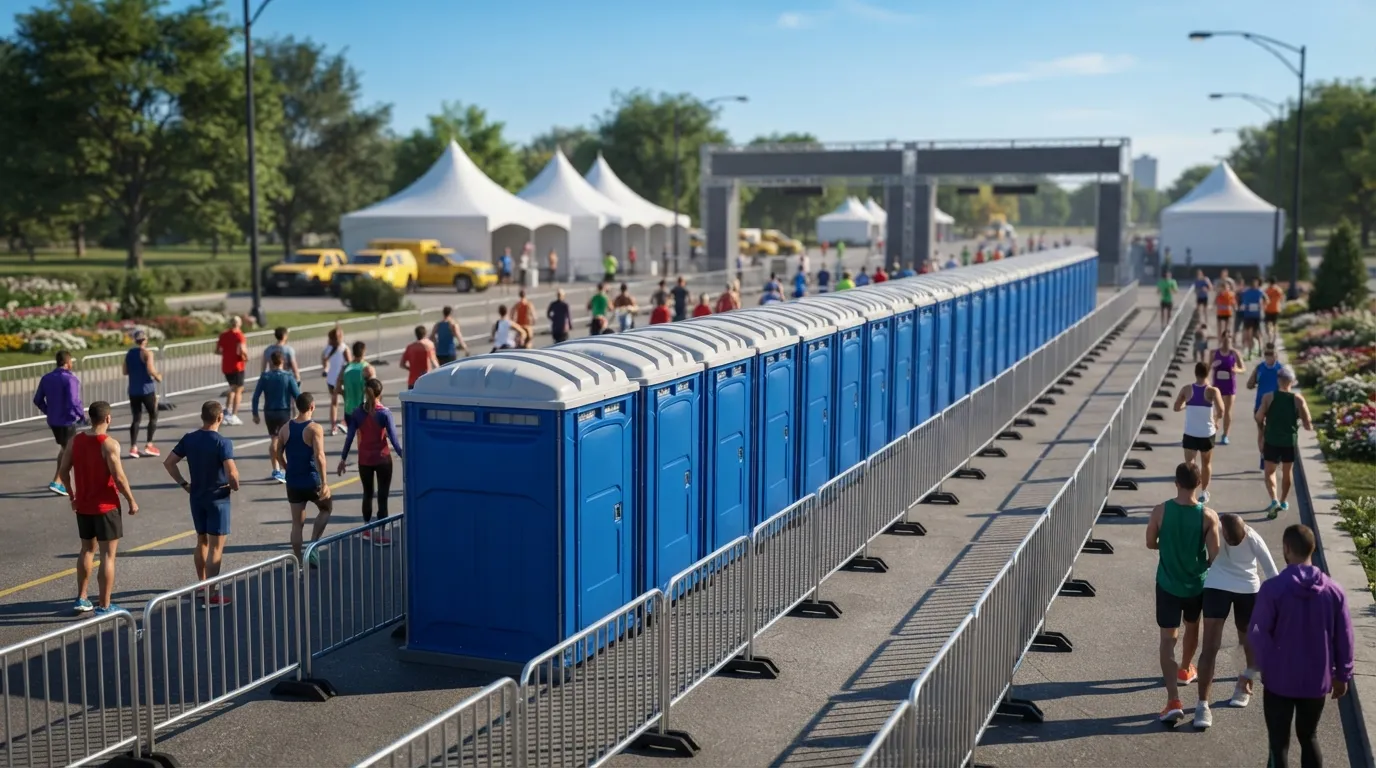
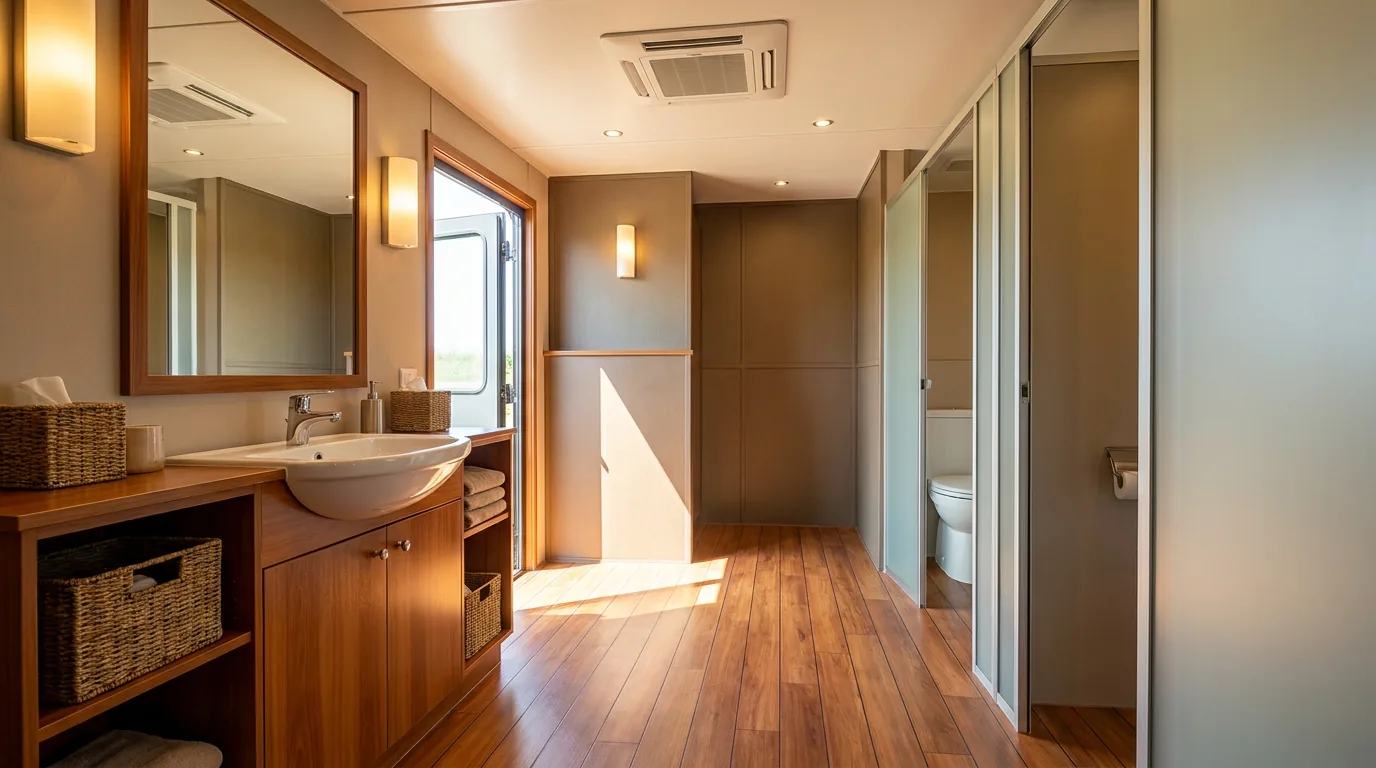
Start with OSHA's construction ratio as a floor, not a ceiling: OSHA 1926.51(c) calls for one toilet facility for 20 workers or fewer, scaling up from there, and race crowds need denser coverage than a jobsite because everyone shows up in the same 30 minute window. For a Columbus race with staggered corrals, we typically cluster standard portable toilets at the start line, thin them along the mile markers, then mass them again at the finish chute where the crowd rebuilds fast. A finish festival with beer tents or food trucks pulls harder on restrooms than the course itself, so we usually double density there. If your race draws a family crowd, add a handwashing station near any food vendor row, since people don't want to eat with course grime on their hands. Races with an accessible wave or adaptive division need at least one accessible unit per cluster; ADA Standards section 213.2 sets that at 5 percent of clustered units, never fewer than one, and each needs the 60 inch turning circle called out in ADA Standards section 304.3.1. For a race expecting real overflow, like a marathon field over a few thousand runners, a full restroom trailer at the finish line gives runners flush fixtures and mirrors instead of another bank of standard units. We quote exact counts with a free walk of your course map; use our rental checklist to gather corral locations and expected field size before you call.
Pricing depends on unit type, how many stations you need, and whether it's a one-day race or a multi-day expo weekend. A single standard unit rents by the event for a flat rate, while trailers price by the day for larger finish-line setups. Delivery adds a separate fee based on how many stops your course requires.
| Unit | Duration | Typical Range |
|---|---|---|
| Standard portable toilet | event | $200 - $800 |
| ADA accessible unit | day | $230 |
| Restroom trailer | event | $3,500 |
| Delivery fee | day | $150 |
Multi-day festivals attached to a race weekend often do better on a monthly rental structure if setup starts days ahead. For a straight cost breakdown by unit, our rental cost guide and per-day pricing page cover the math in more depth than we can here.
Placement follows the course, not a grid. Start and finish lines get the heaviest cluster since that's where density peaks twice, once at the gun and once as finishers stream in. Aid stations at mile markers get one or two units each, positioned off the running lane with a stable, level pad, since ADA Standards section 302.1 requires a firm, slip-resistant surface even for a temporary placement. If your course runs through Columbus city streets, any unit or dumpster staged in the public right-of-way needs an occupancy permit under Columbus City Code Chapter 903, issued through the Department of Public Service; check with the city before setup, since portable toilets are not named explicitly in the chapter's published rules and that gap needs confirming case by case. Race organizers running generators or light towers for a pre-dawn start should also plan power staging: how to brace a temporary power pole matters here, since a pole feeding a finish-line tent or timing tower needs a stable base and guy-wire or ballast bracing so course wind and foot traffic don't tip it. Pair that with a temporary power pole sized to your load and a light tower for early corrals. Courses that close streets often need temporary fencing or crowd control barriers to keep spectators off the route, and post-race cleanup crews appreciate a staged roll-off dumpster rather than hauling bags to a truck.
Columbus races drawing from Grandview Heights, 5.0 miles west, or Bexley, 6.2 miles southeast, often need restroom staging at both ends of a course that crosses neighborhoods, and our service area page covers routing across Franklin County. For events near Upper Arlington, 6.9 miles northwest, we build the same density model, just shifted for local street grid and access points. Whatever your finish-line footprint looks like, our event restroom page and festival restroom guide both link back to the pricing and count logic on this page.
Book four to six weeks out for a race over a few thousand runners, sooner if your date overlaps another big Columbus event competing for the same trailer inventory. Smaller 5Ks can often book two to three weeks out.
Yes, if your race has any accessible division, wave, or spectator area. ADA Standards section 213.2 sets the ratio at 5 percent of clustered units, minimum one, and each needs 32 inch clear door width per ADA Standards section 404.2.3.
Yes. A restroom trailer gives finishers flush fixtures and sinks instead of standard units, and it handles heavier finish-line traffic better than a bank of single units spread thin.
Columbus City Code Chapter 903 requires an occupancy permit for equipment placed in the public right-of-way, issued through the Department of Public Service. Portable toilets aren't named explicitly in the published rules, so confirm your specific placement with the city first.
Using the OSHA 1926.51(c) ratio as a floor and doubling density at the finish festival, a field that size typically needs restroom clusters at the start, two to three mile-marker aid stations, and a heavy bank at the finish; we size the exact count from your course map.
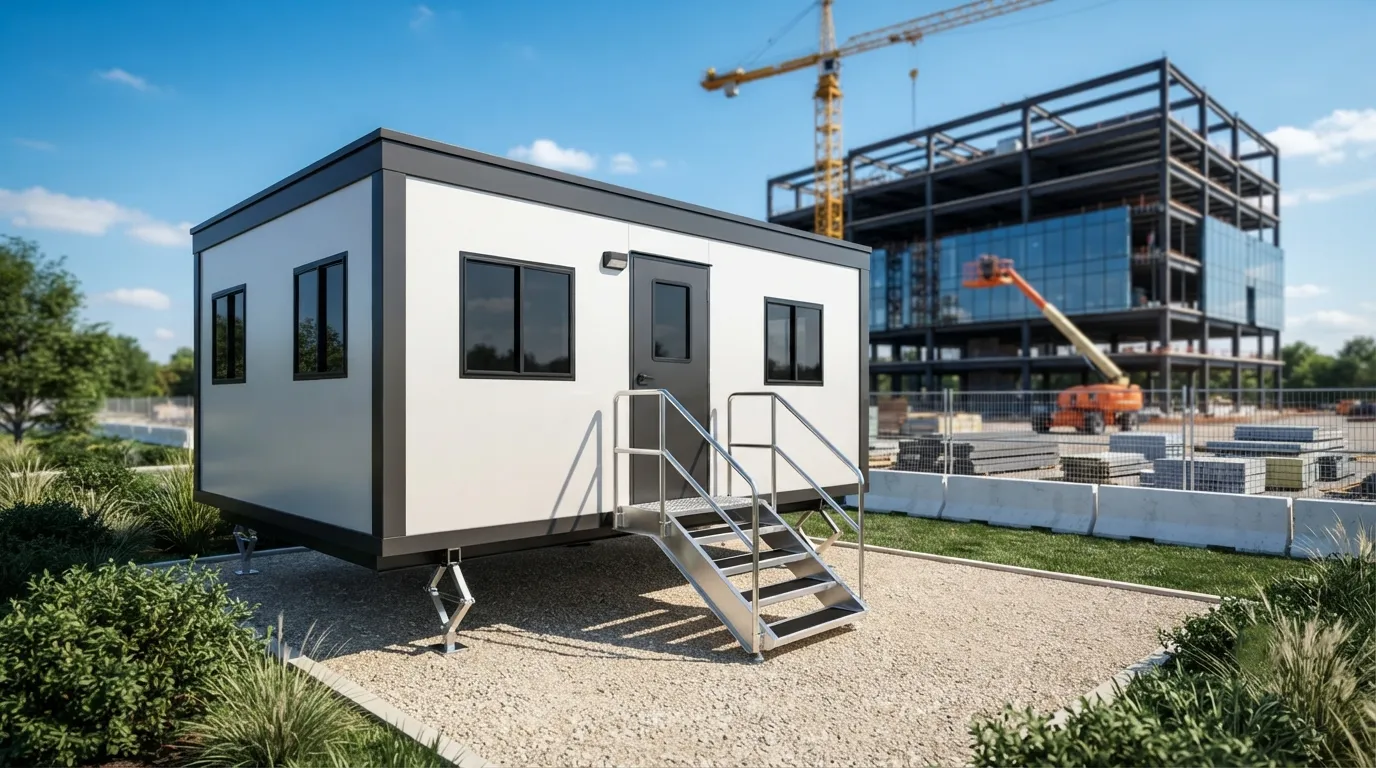
What we rent
Typical Columbus ranges, not a quote. Delivery is $50 to $150 and a weekly service visit $30 to $60. See the full cost breakdown.
$125 to $250 a weekend
$200 to $350 a weekend
$199 to $300 a weekend
Quoted by stall count
The rest of the yard
We deliver across Franklin County and the surrounding metro:
Next step
Tell us the address, the dates and the headcount. We size the order and confirm the route.