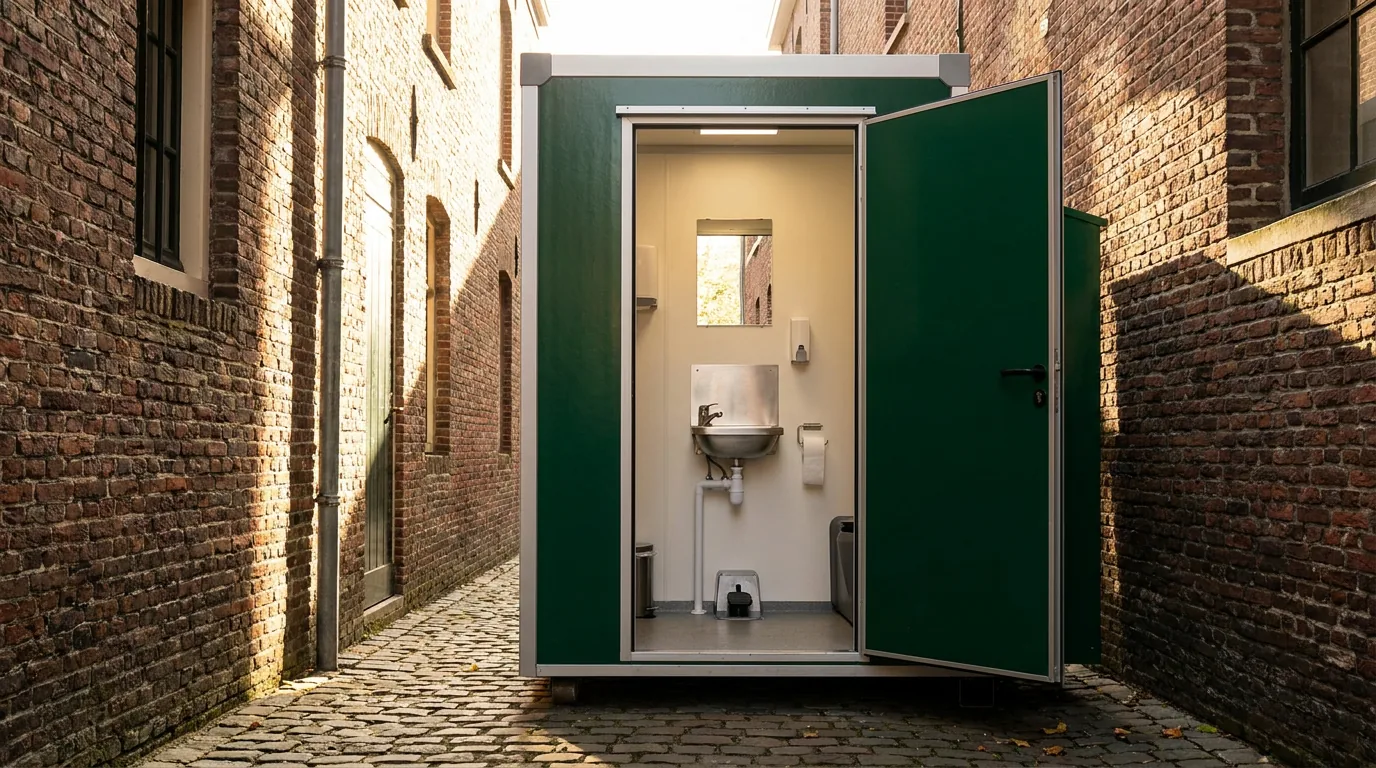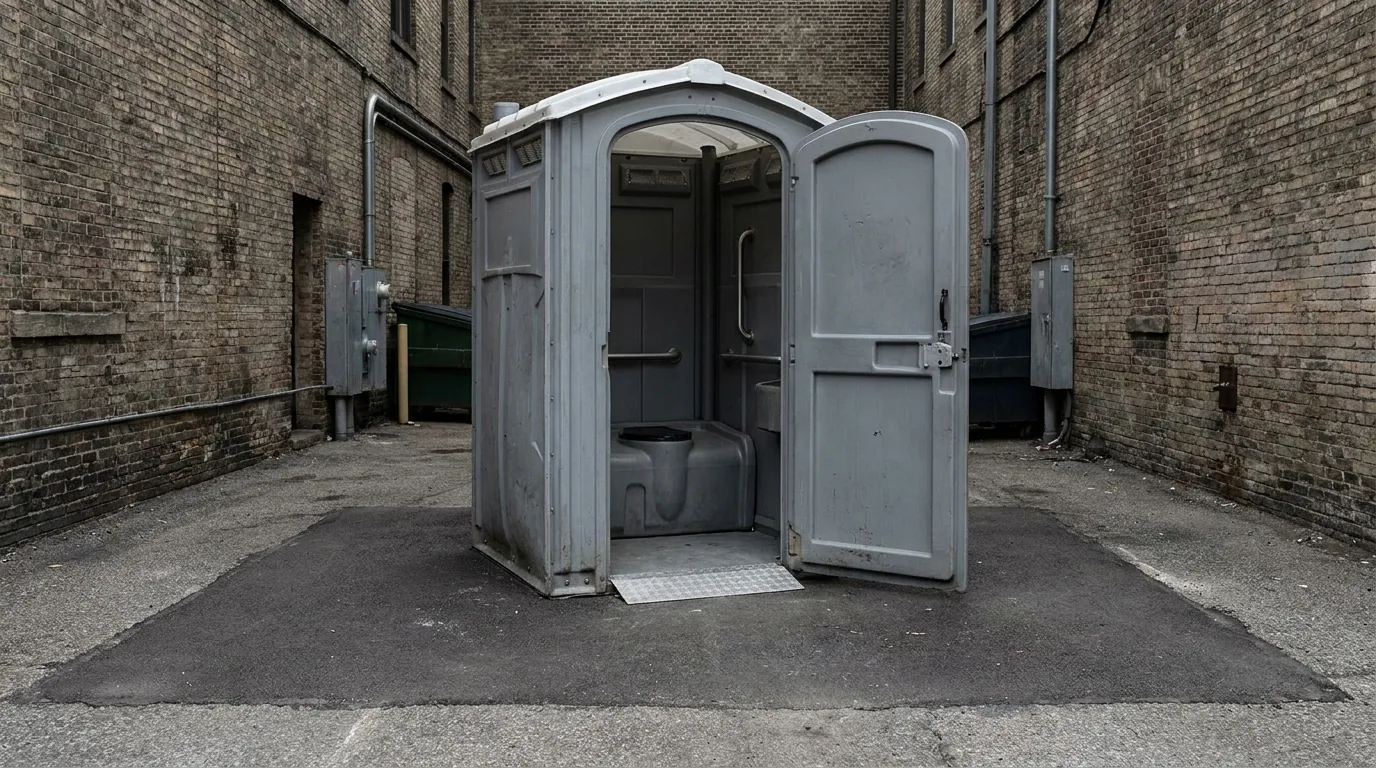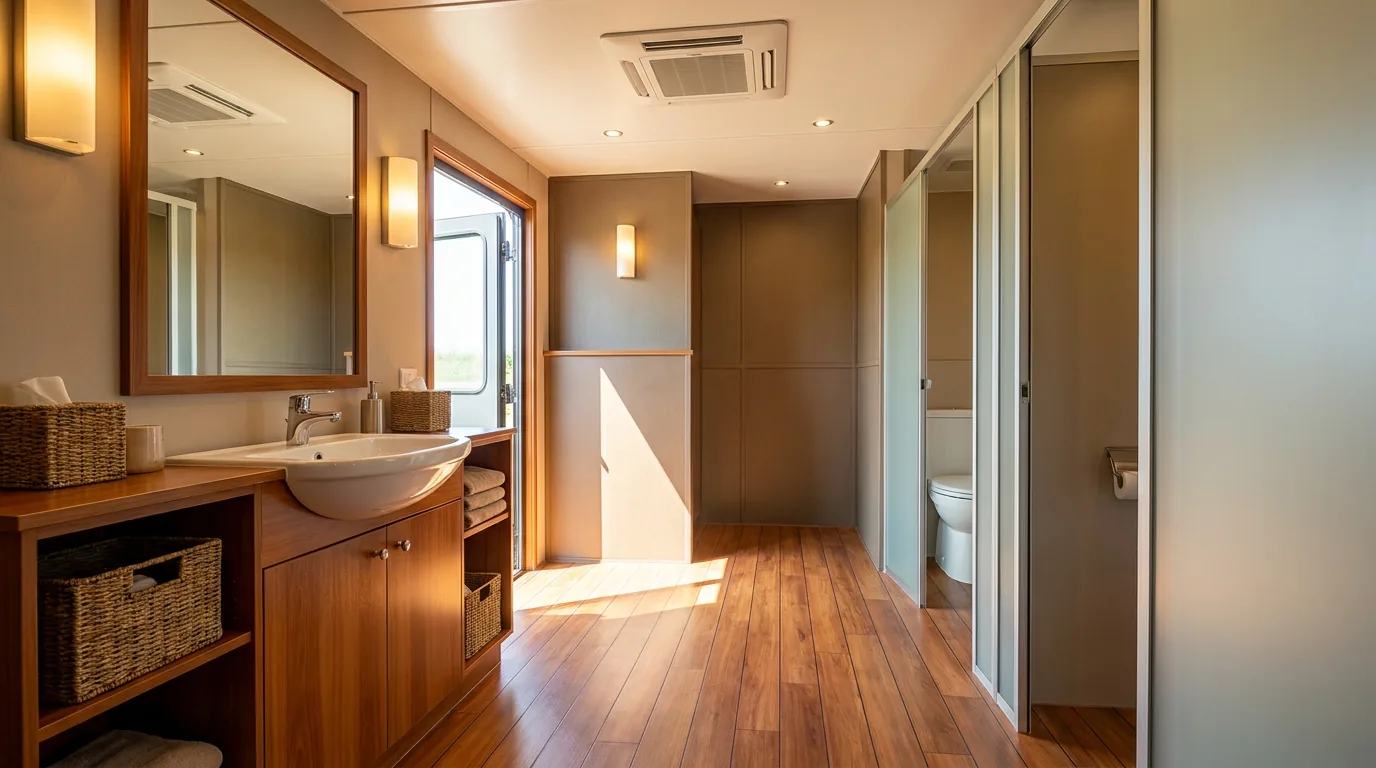
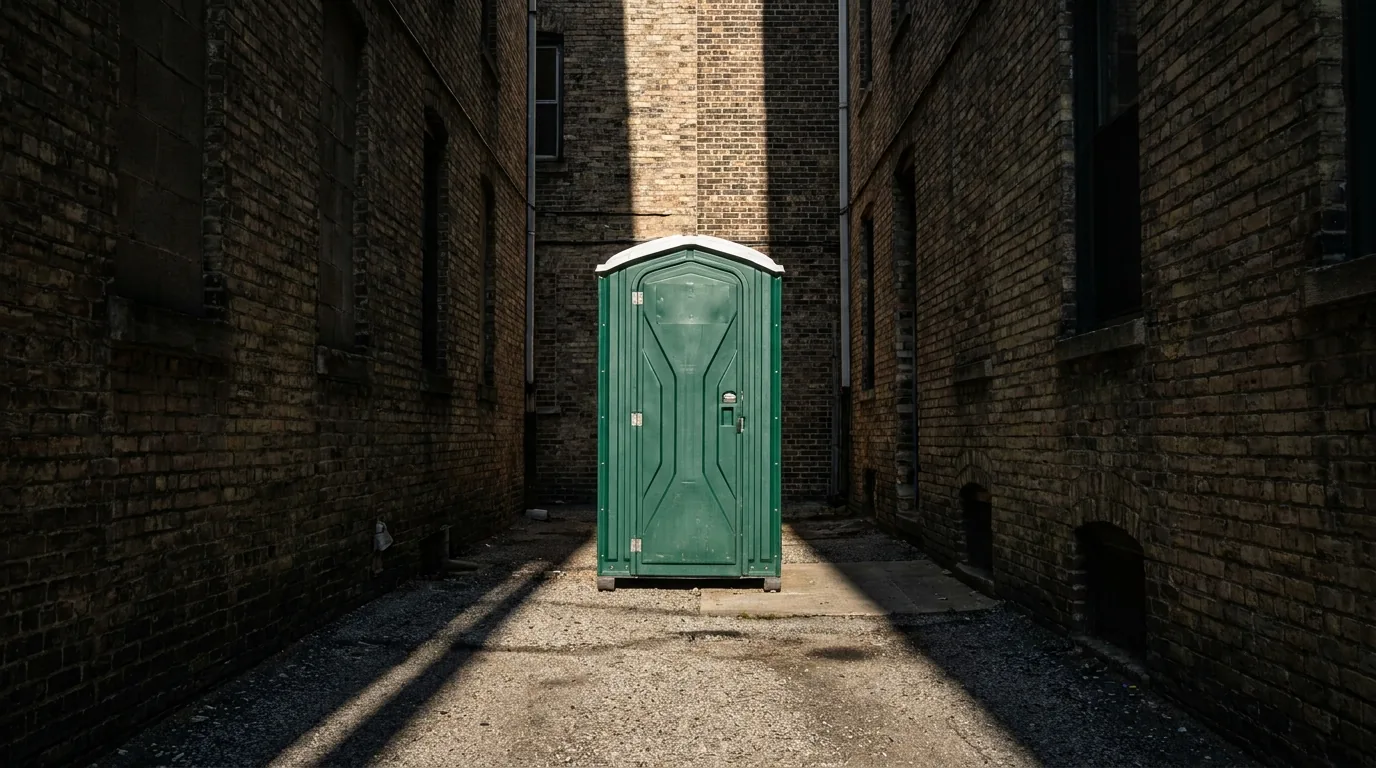
Standard porta potty
$125 to $250 a weekend
Columbus, OH
Portable sink rental in Columbus, OH runs on a self-contained water tank, no plumbing hookup needed, and units set up almost anywhere on site. Columbus Porta Pros stocks portable sink stations with fresh and gray water tanks built for job sites, camping trips and events, OSHA 1926.51(c) sets toilet facility ratios on construction sites, and 29 CFR 1910.141(d)(2) requires soap and towels or a hand drying device at any washing facility you install.
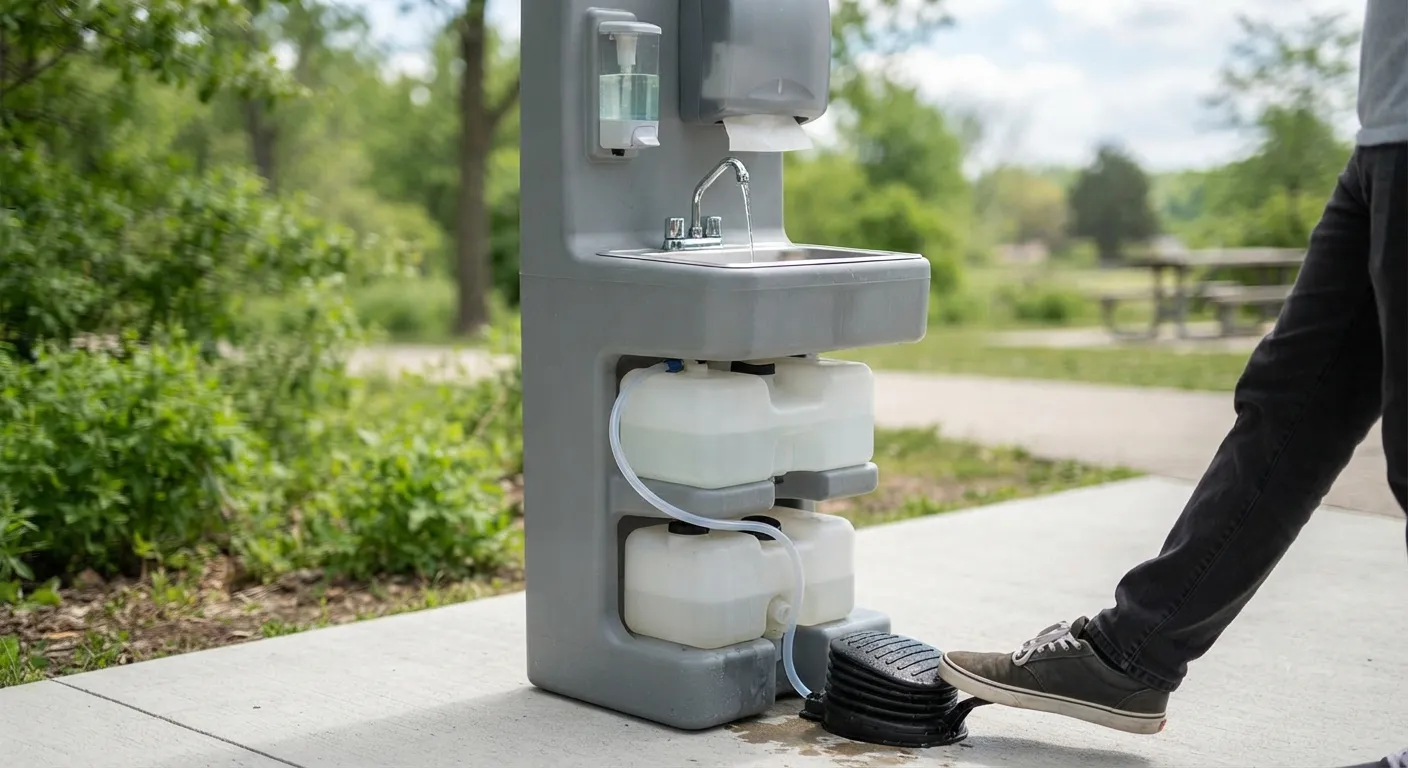
A portable sink station holds its own fresh water supply, pumps it through a faucet, and drains used water into a separate gray water tank underneath or beside the unit. No sewer line, no water main, nothing to dig. Some models heat water for a warm rinse, which matters more than people expect once fall temperatures set in around Columbus. If you are pairing sinks with toilets for a crew, check how many porta potties do i need so the ratio of sinks to workers actually makes sense on paper. Most stations mount two to four basins, and delivery crews place them near the standard porta potty rental units or along a work zone edge where foot traffic already flows. For sites already running a restroom trailer rental, a standalone sink station adds handwashing capacity without waiting in line at the trailer. Some renters also ask about a portable sink to wash hair, which works fine on the smaller basin models when a hose extension and a wash bowl fit the setup, common on film sets or long camping stays.
Soap and running water beats sanitizer whenever workers handle food, chemicals, or anything greasy, and OSHA 1926.51(f)(1) requires washing facilities specifically where employees are applying paints, coatings, herbicides or insecticides. Sanitizer gel does not meet 29 CFR 1910.141(d)(2) either, since that rule calls for soap and a drying method, not a rub-in gel. A hand sanitizer station rental still has its place as a supplement near entrances or break areas, but it should not be the only washing option on a site with paint crews or lawn chemical applicators. If your crew count changes week to week, review handwashing requirements before you settle on a fixed number of stations. Anyone building out a full sanitation plan for a construction site should also read osha portable toilet requirements, since toilet count and handwash count usually get inspected together.
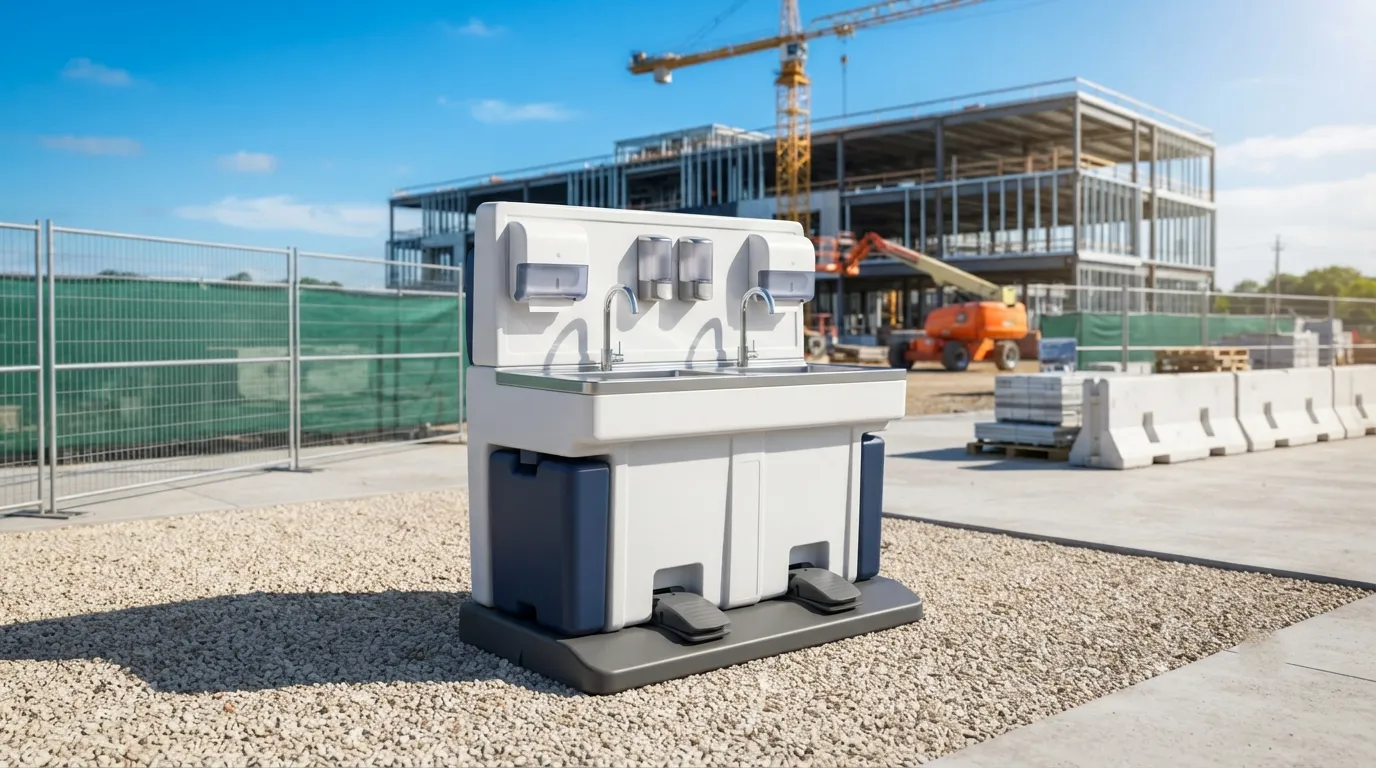
| feature | detail |
|---|---|
| basin count | 1 to 4 per station |
| water source | self-contained fresh water tank |
| drain | gray water tank, no sewer hookup |
| hot water | available on select models |
| power | none required on standard units |
A camping portable sink works the same way a job site unit does, just smaller and easier to move between a truck bed and a tent site. For events, sink stations usually sit next to event restroom rental units or a bank of portable restroom rental toilets, since guests expect to wash up right after using either. Wedding planners renting a wedding restroom trailer often add two sink stations near a catering tent so staff can wash between food handling tasks, which fits the same general sanitation intent behind OSHA 1926.51(c). Farms running hand-labor crews should note OSHA 1928.110, which sets field sanitation rules at one facility per 20 employees within a quarter mile walk, a standard worth checking against farm and agricultural restrooms planning.
Most residential and job site placements need no special review, but anything sitting in the public right-of-way in Columbus needs a Chapter 903 occupancy permit through the city's Department of Public Service, and that office sits on the first floor of the Michael B. Coleman Government Center at 111 N. Front St. Columbus city documents name dumpsters, PODs and crane lifts under that chapter, but not portable sinks or toilets specifically, so confirm placement with the city before you set up along a curb or lane. Sites in Grandview Heights, 5.0 miles west of Columbus, or Bexley, 6.2 miles southeast, follow their own local rules, so check with each city separately. For a broader look at where units commonly go, see the porta potty placement guide or the dumpster permit requirements page if you are coordinating a sink station delivery alongside a roll-off. Renters across Upper Arlington, Westerville and the wider service areas footprint typically place stations on driveways, gravel pads or paved lots, all of which sit outside the right-of-way question entirely.
Pricing depends on unit size, rental length and hot water features, and it stacks with delivery. Check porta potty rental cost for a breakdown of how delivery fees and rental duration affect a total quote, since sink stations price out on a similar structure to standard toilet units.
Yes. Weekend rentals work well for markets, races and one-day festivals. Pair a sink station with festival restroom rental units or marathon restroom rental setups so runners and vendors both have a place to wash up after handling food or gear.
No. Standard units run entirely off the onboard water tank and a hand pump or battery-powered faucet. Hot water models may need a small power source, so ask when booking through request a quote if that matters for your site.
Yes, on basin models with enough water volume and a wash bowl or hose attachment. This works for camping trips, film sets, or disaster relief housing where showers are not yet set up; see disaster relief sanitation for related setups.
It depends on use volume and headcount, similar to the weekly service interval ANSI/PSAI Z4.3 sets as a baseline for portable sanitation. High-traffic events may need a mid-week top-off; ask about a service schedule when you book.
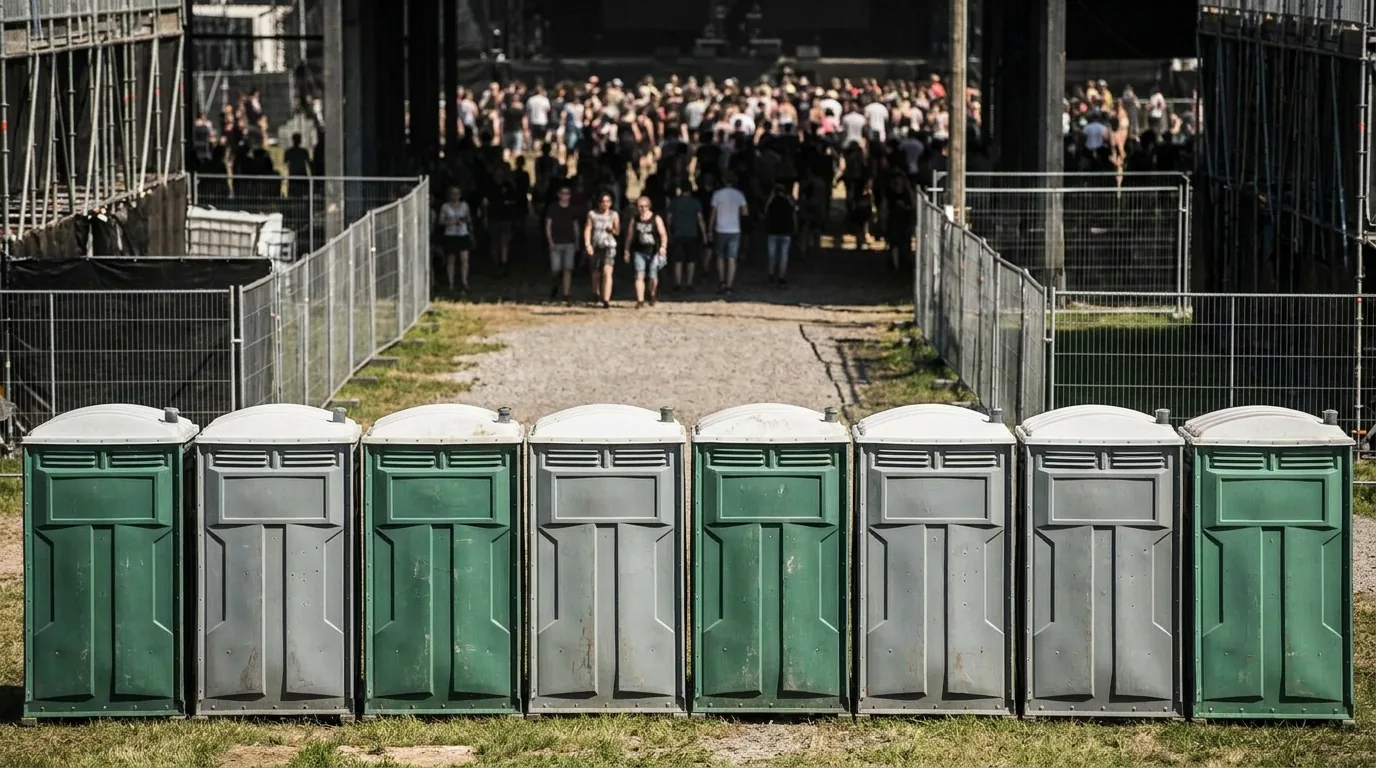
What we rent
Typical Columbus ranges, not a quote. Delivery is $50 to $150 and a weekly service visit $30 to $60. See the full cost breakdown.
$125 to $250 a weekend
$200 to $350 a weekend
$199 to $300 a weekend
Quoted by stall count
The rest of the yard
We deliver across Franklin County and the surrounding metro:
Next step
Tell us the address, the dates and the headcount. We size the order and confirm the route.