Standard porta potty
$125 to $250 a weekend
Columbus, OH
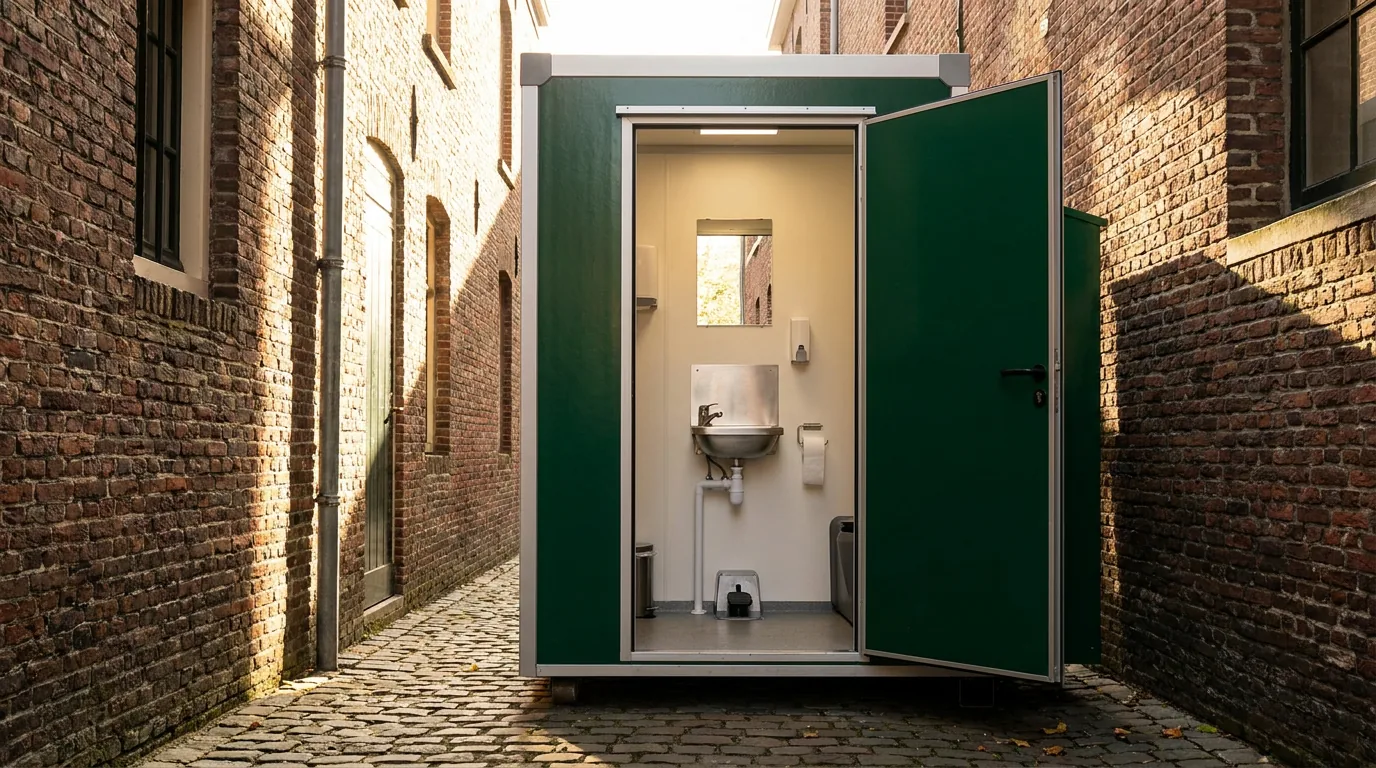
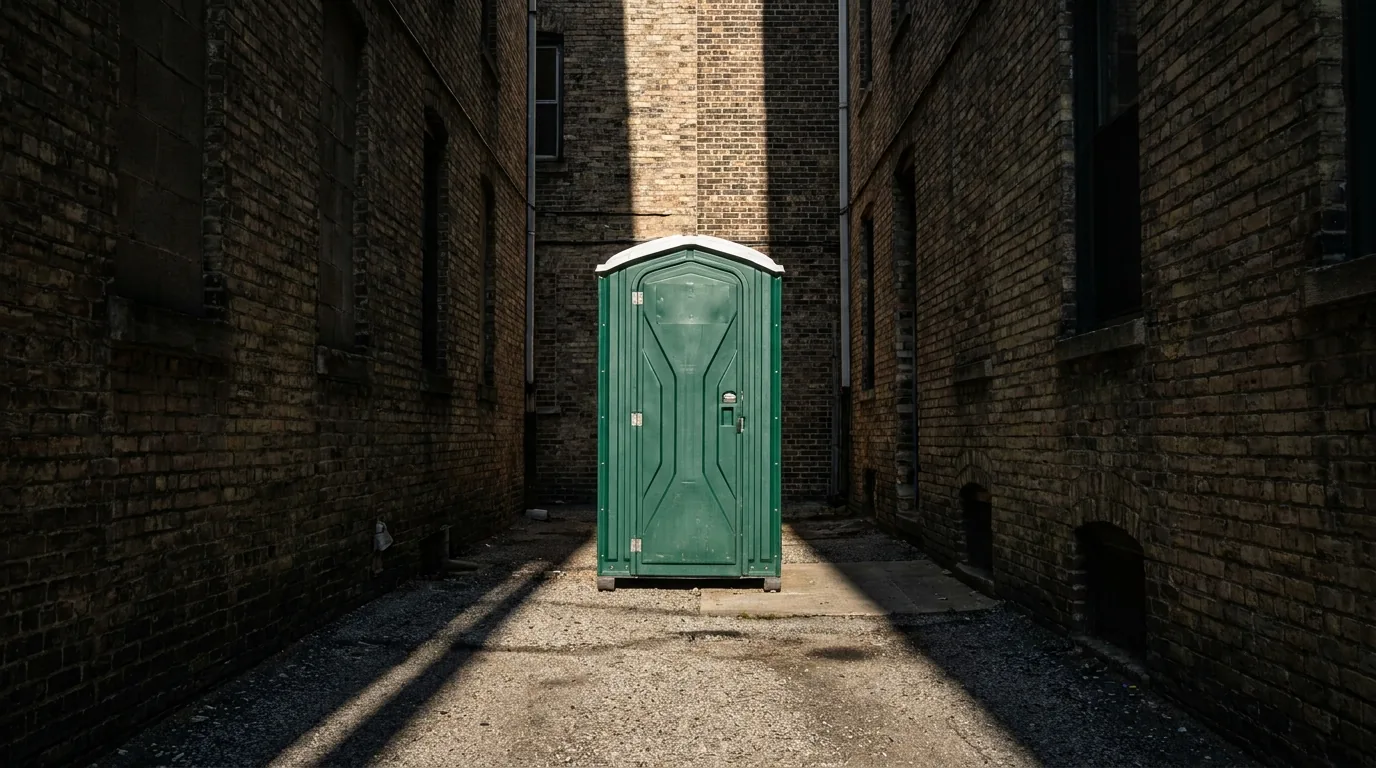
A porta potty holds waste in a sealed tank underneath the seat, usually 60 to 70 gallons, mixed with a blue deodorizing chemical that breaks down solids and cuts odor between service visits. No water, no plumbing. Columbus Porta Pros pumps and refills that tank on a set schedule so the unit stays usable the whole rental.
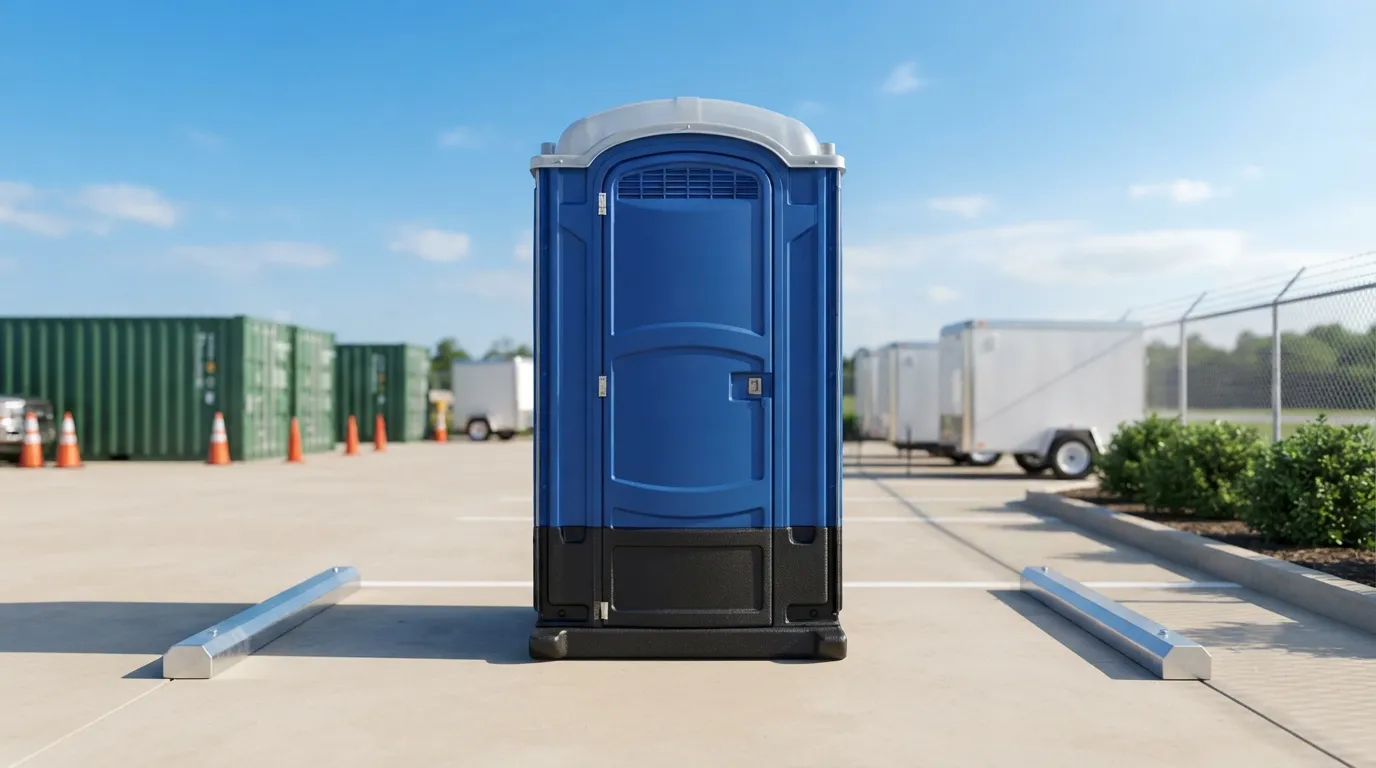
The basic design hasn't changed much: a plastic shell, a seat over a holding tank, and a chemical charge that starts working the moment it's dropped in. A standard unit runs about 44 by 48 inches on the ground and stands close to 92 inches tall, so it fits tight jobsite corners without eating space you need for material staging. There's no flush mechanism on the standard porta potty rental, which is why the tank chemistry matters so much. That chemical is doing three jobs at once: breaking down waste, suppressing methane smell, and keeping the liquid from foaming when the unit gets bounced around on a rough site. For anyone comparing options before ordering, the porta potty rental cost page breaks down what drives the price up or down, and the porta potty rental per day numbers are useful if you're only running a unit for a single pour or a one-day event.
A deluxe flushable unit adds a small onboard freshwater reservoir and a foot pump or hand pump that pushes a rinse of water into the bowl after use, similar to a camping toilet. It still drains into the same sealed holding tank below, it just clears the bowl visually between uses, which matters for events where guests expect something closer to a real bathroom. The deluxe flushable porta potty page has the specifics on tank size and reservoir capacity. These cost more to run because the reservoir needs topping off at each service, and that labor is part of what separates deluxe pricing from standard. For weddings, corporate parties, or anything where guests will notice the difference, pairing a deluxe unit with a proper restroom trailer rental or going straight to a 2 stall restroom trailer covers a wider guest count without lines.
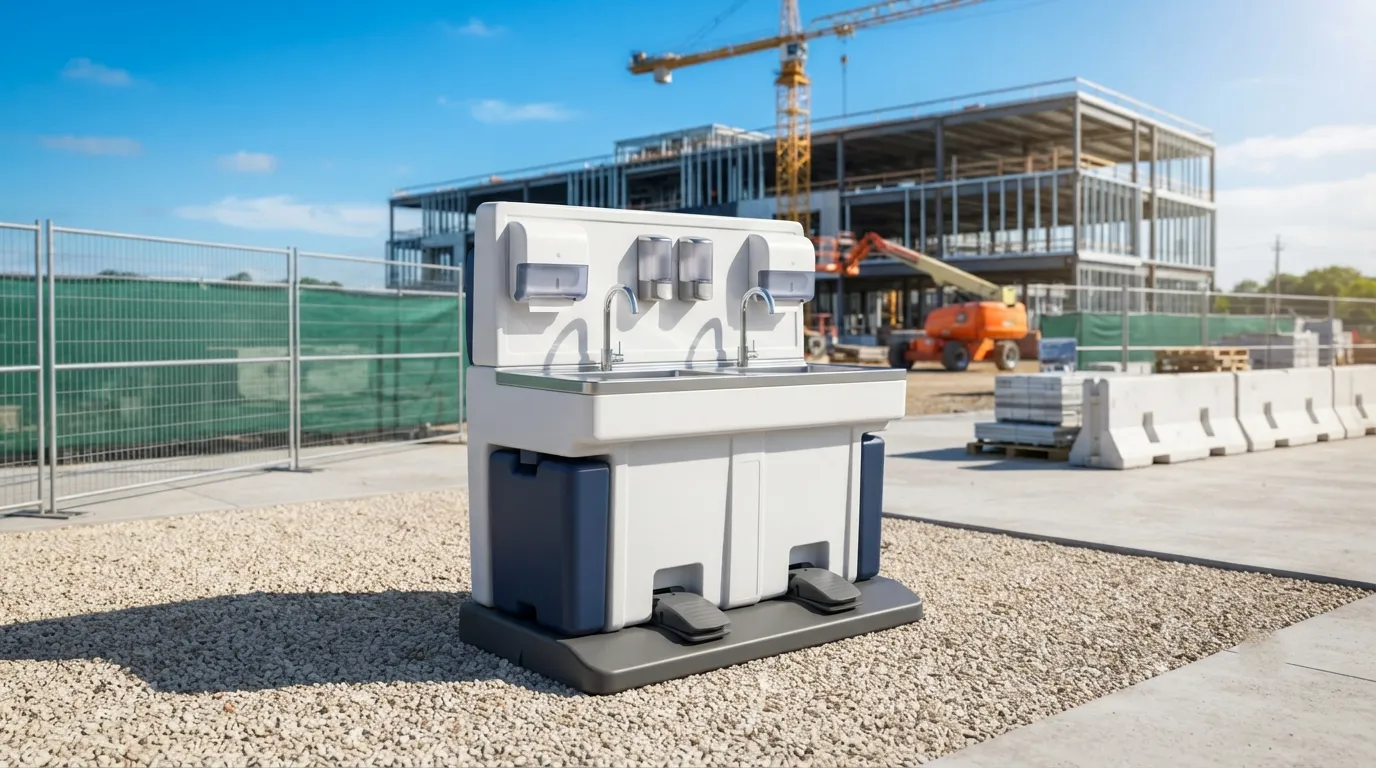
A portable sink is a self-contained handwashing station: a freshwater tank feeds the faucet, usually by foot pump or gravity, and greywater drains into a separate holding tank underneath, no hookup needed. Under 29 CFR 1910.141(d)(2), handwashing stations need soap and towels or a hand-drying device on hand, and sanitizer gel doesn't satisfy that rule. OSHA 1926.51(f)(1) specifically requires washing facilities where crews are applying paints, coatings, herbicides, or insecticides, since those jobs put contaminants directly on skin. That's a different standard from general jobsite toilet counts, which fall under OSHA 1926.51(c)(1): one toilet for 20 or fewer workers, then additional fixtures as the crew grows past 20 and again past 200. Renting a handwashing station rental alongside your toilets covers both standards. Some crews prefer a dedicated portable sink rental near a food or paint station rather than one unit doing double duty, and a hand sanitizer station rental can supplement but never substitute the soap-and-towel setup.
The blue liquid in most units is a deodorizing and digestive treatment, similar in concept to what's used in RV holding tanks and camping toilets. It's formulated to break down solid waste, control bacteria growth, and mask ammonia smell between pump-outs. Columbus Porta Pros uses commercial-grade treatment on every unit, dosed for the unit's actual tank size rather than guessed. This isn't the same product as septic tank cleaning chemicals used in a home system, which target a much larger tank and different bacteria balance; those are covered separately on the septic tank cleaning page. If a home system in Columbus is overdue, the how often to pump a septic tank guide covers the general 3 to 5 year interval driven by tank size and household use. Grease interceptors run on a different clock entirely, pumped once fats and solids reach 25 percent of liquid depth, which the grease trap pumping page covers for restaurant and commercial kitchen accounts.
| Unit type | Best for | Typical duration |
|---|---|---|
| Standard | Construction crews, home projects | Day, week, or month |
| Deluxe flushable | Weddings, private events | Day or week |
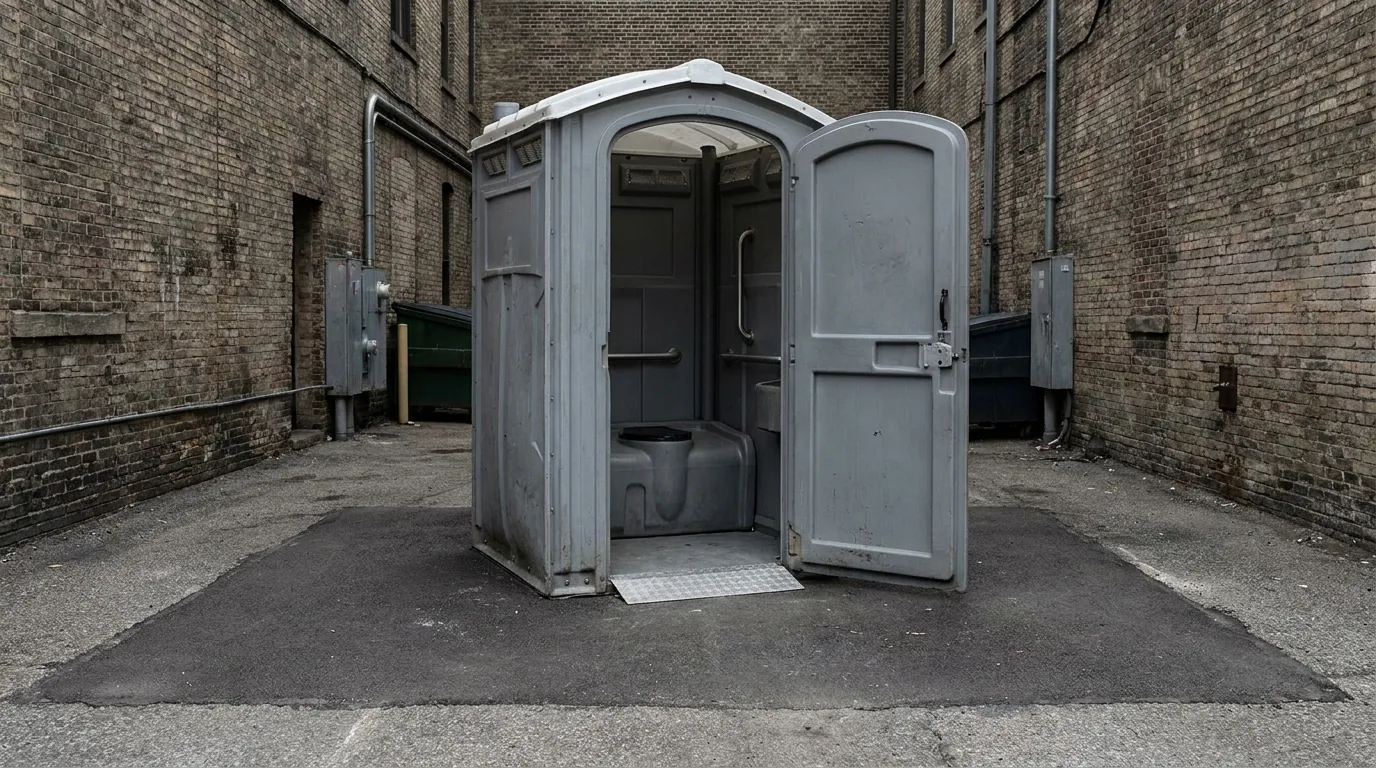
| ADA accessible | Any site needing compliant access | Day or week |
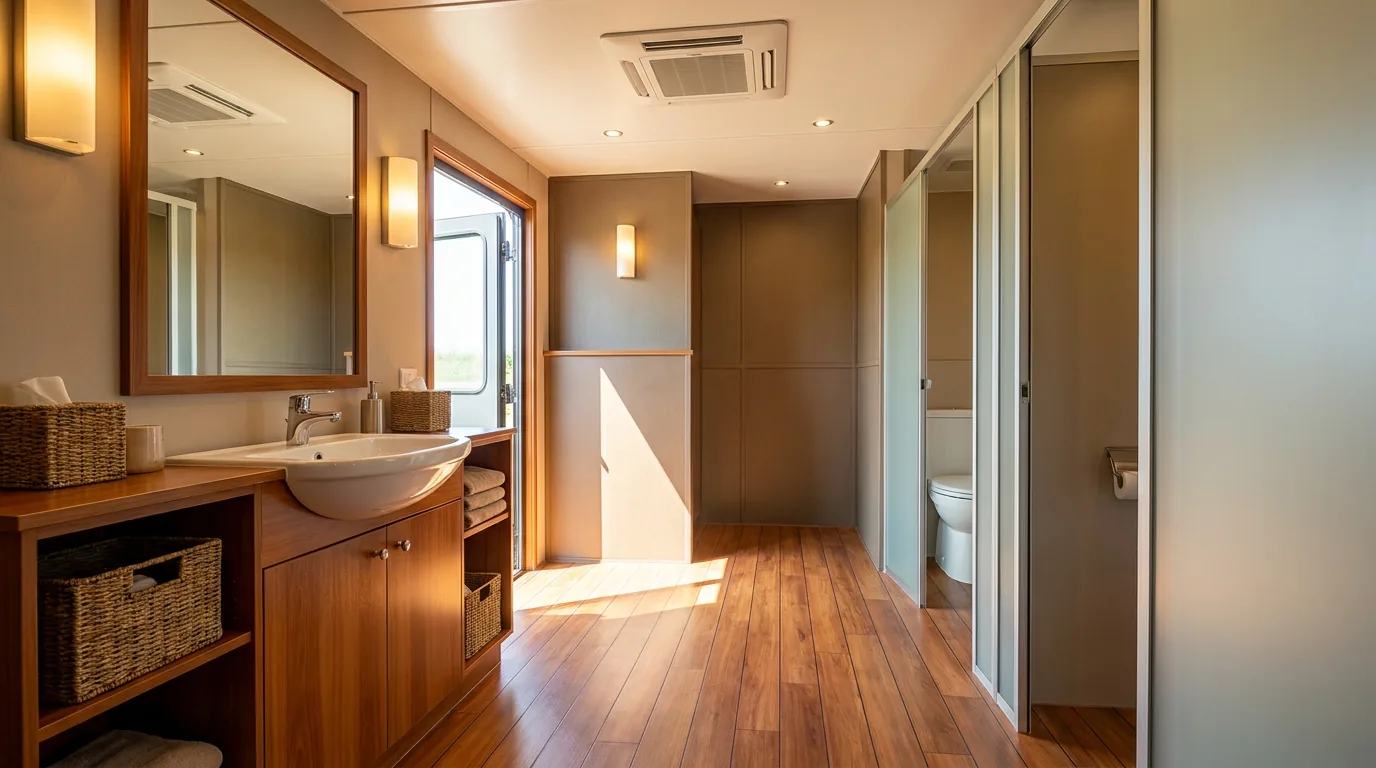
| Restroom trailer | Large events, upscale gatherings | Day, weekend, or week |
Every ADA unit meets clearance rules under ADA Standards 213.2, which requires at least 5 percent of a cluster of single-user units to be accessible, with a minimum of one no matter how small the order. Details on turning space and door width are on the ADA accessible porta potty page. For jobsites in Grandview Heights, 5.0 miles west of downtown Columbus, or out toward Westerville, 14.2 miles north, delivery logistics stay the same: our trucks need clear access to place and service units regardless of distance from the Columbus core.
Placement in the public right-of-way in Columbus is governed by City Code Chapter 903, which requires an occupancy permit for anything placed in a public street or alley for construction purposes; dumpsters and storage containers are explicitly named, but whether a portable toilet counts under that chapter isn't spelled out in the documents we've reviewed, so that's worth confirming directly with the city's Department of Public Service before delivery. The porta potty permit requirements page and the broader porta potty placement guide walk through where units typically go on private versus public ground. If you're not sure how many units your crew needs, the how many porta potties do I need calculator uses the same OSHA ratios cited above.
ANSI/PSAI Z4.3 sets a baseline of one service visit per week for up to 10 users across a 40 hour week. Busier construction crews or multi-day events need more frequent pumping. Columbus Porta Pros schedules service based on actual headcount, not just the calendar.
Camping units use the same sealed-tank concept but scaled down, often with a smaller freshwater flush reservoir like the deluxe units above. They're built for portability, not high-volume jobsite use. See the camping porta potty page for sizing guidance.
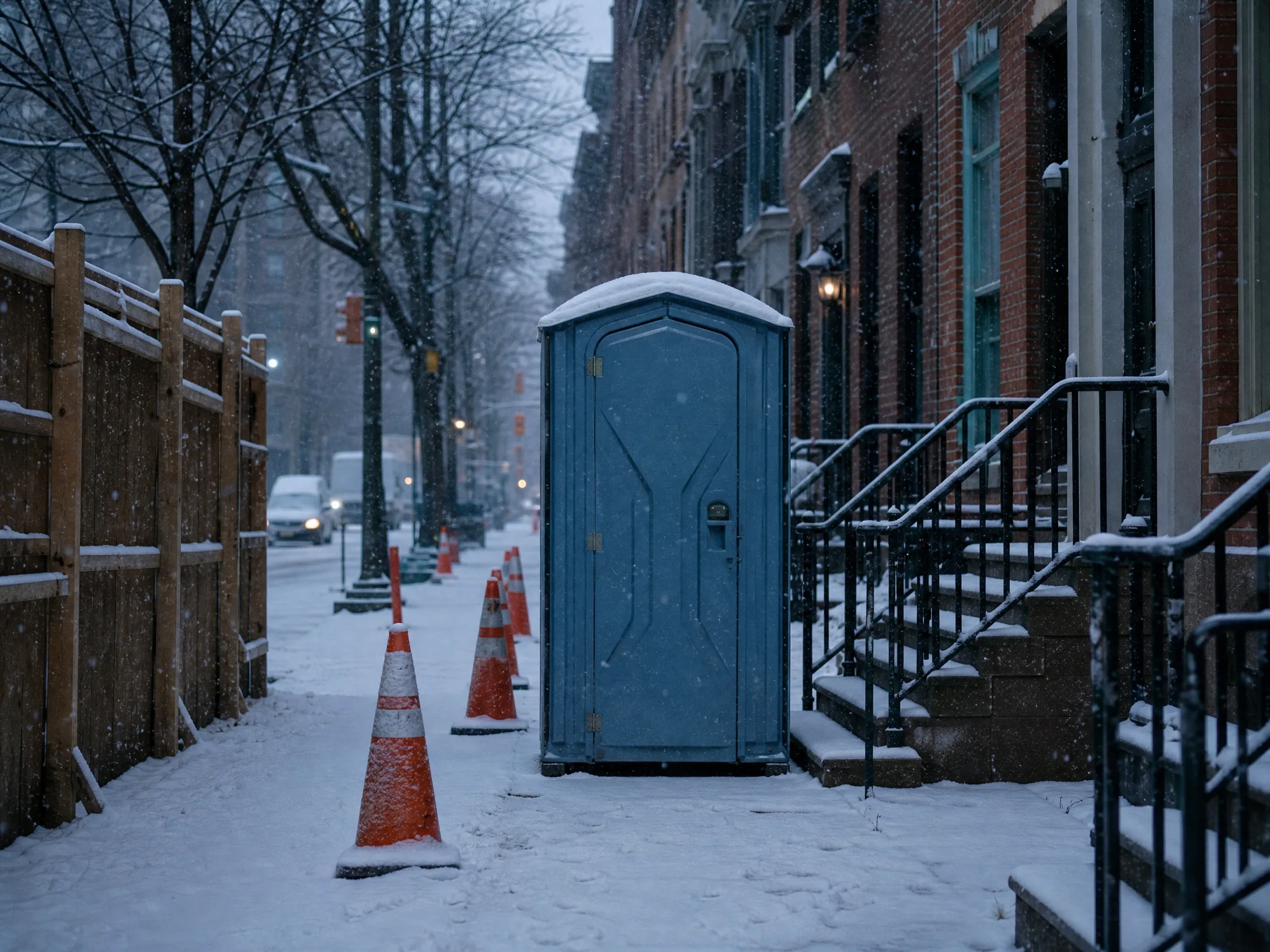
Yes, standing liquid in the tank can freeze during Columbus cold spells, and January lows average 22.6 F with 97.7 days a year dropping below freezing. Winter-grade chemical treatment and more frequent servicing keep units functional. Details are on the porta potty in winter page.
OSHA 1926.51(c)(1) sets minimums: one toilet for crews of 20 or fewer, additional fixtures as headcount rises past 20 and past 200. The OSHA portable toilet requirements page covers full ratios for larger Columbus jobsites.
Smell control comes down to chemical dosing and service frequency, not the unit itself. A tank serviced weekly per ANSI/PSAI Z4.3 stays far fresher than one skipped past that interval. Full detail is on the do porta potties smell page.
What we rent
Typical Columbus ranges, not a quote. Delivery is $50 to $150 and a weekly service visit $30 to $60. See the full cost breakdown.
$125 to $250 a weekend
$200 to $350 a weekend
$199 to $300 a weekend
Quoted by stall count
The rest of the yard
We deliver across Franklin County and the surrounding metro:
Next step
Tell us the address, the dates and the headcount. We size the order and confirm the route.